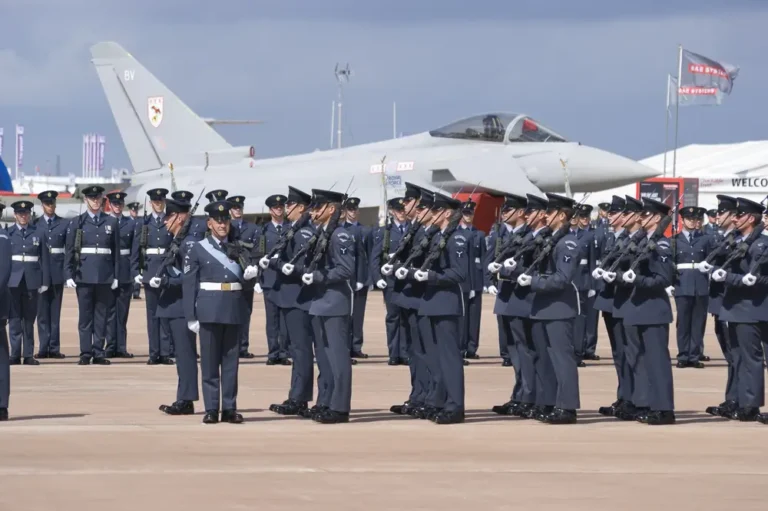
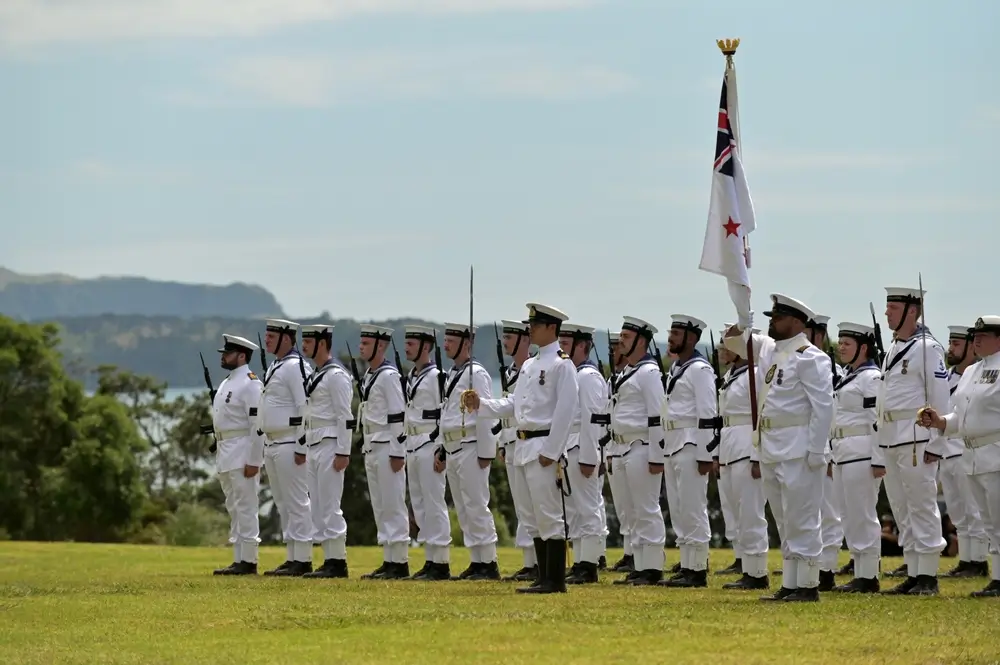
Joining the Royal New Zealand Navy starts with a single course. For sailors, that course is Basic Common Training, usually shortened to BCT. It is the step that turns a civilian into someone who can live, work and respond as part of a ship’s crew.
This guide covers what navy basic training in NZ actually involves: how long it runs, where it happens, what recruits learn, what the entry requirements are, and what comes next. Everything here is drawn from what the New Zealand Defence Force and Defence Careers publish about RNZN recruit training.
 NZDF Recruitment · Aptitude & Selection 2026Next step in the process: the aptitude test.
See the format, the sections and the timing, then practise until the clock stops mattering.
What RNZN basic training is
The RNZN runs its own recruit pathway, separate from the Army and Air Force recruit courses. Which course you do depends on whether you join as a sailor or as an officer.
For sailors, that course is Basic Common Training (BCT). The NZDF describes it as the first course any new sailor undertakes, designed to take a person from civilian to a competent and self-disciplined sailor while confirming that person’s suitability for life in the Navy. It works both ways: the Navy needs to be sure about the recruit, and the recruit needs to be sure about the choice they have made.
For aspiring officers, the equivalent is Junior Officer Common Training (JOCT). Same starting point, different pathway. JOCT covers officer-specific preparation rather than the sailor route, and it runs to a different length and intake size.
All of this initial recruit training happens at HMNZS Philomel, the Navy home base in Devonport, Auckland. Recruits sign on at Devonport Naval Base and stay there for the duration of the course.
BCT and JOCT side by side
BCT is a 15-week course involving around 100 recruits, run twice a year. Within an intake, recruits are divided into classes or mess decks of around 15 to 18 people, which becomes the small team you train, eat and live alongside.
JOCT runs for 22 weeks with around 30 recruits at a time, also twice a year. The NZDF notes there is no upper age limit for joining the Navy.
How long navy basic training takes in NZ
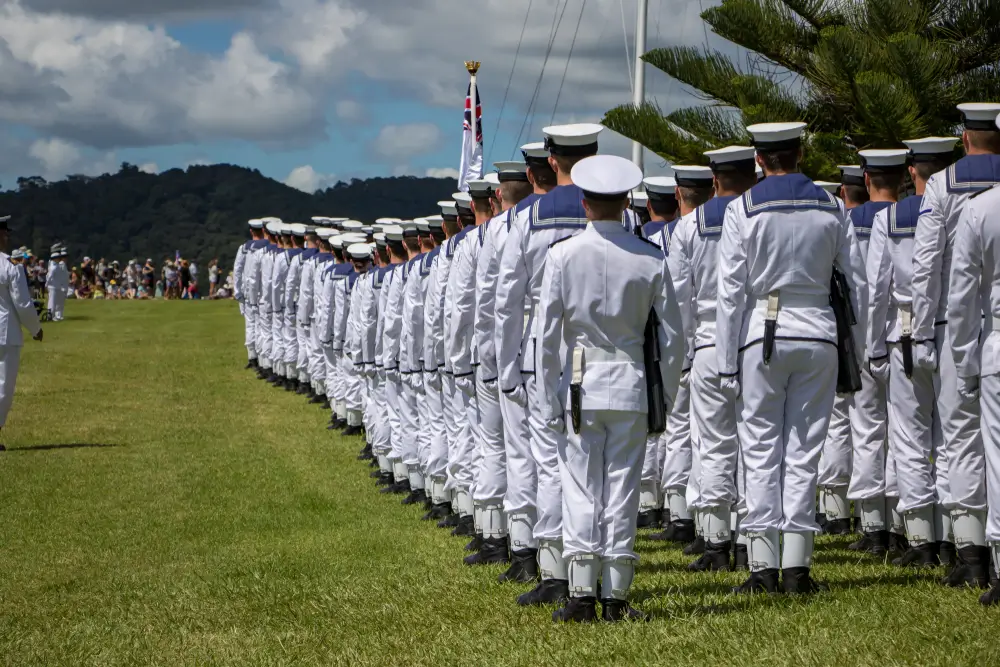
Basic Common Training is 15 weeks. The NZDF states it runs two 15-week Basic Common Training courses and two 22-week Junior Officer Common Training courses each year.
Two intakes a year means your start date depends on when you apply and when your trade has places. The published Defence Careers intake schedule lists BCT 27/1 training from 15 February 2027 to 19 June 2027, and BCT 27/2 training from 23 August 2027 to 11 December 2027.
Those dates matter for planning, but treat them as indicative. Defence Careers is explicit that roles and dates are subject to change, and that not every available role is listed on the schedule. Applying early gives you the best chance of your preferred intake, and late applications are still considered without a guarantee of placement.
Where training happens and how recruits adjust

New recruits stay at HMNZS Philomel for the length of the course. The early part of that stay is about orientation: getting to know the base and its facilities, spending time with other new recruits, and getting used to Navy life.
Adjustment is deliberate rather than accidental. RNZN recruit training uses a controlled environment with limited controlled stress, so recruits learn to develop teamwork and support each other while under pressure. They become accustomed to following orders, to military discipline, and to moving with urgency.
Self-discipline is taught in small, practical ways too, down to learning how to care for and clean uniforms. Physically, recruits become fitter and stronger, and the NZDF describes recruits bonding through shared hard work.
Core military skills taught in BCT

A Navy recruit’s core military skills include weapons training, first aid, navigation, seamanship and lessons on military law. These are the foundations every sailor needs before moving into a trade.
Alongside those subjects, recruits learn basic skills like weapon handling, first aid and drill. The point of combining them is operational: the NZDF frames the whole package as developing an ability to perform tasks in the most inhospitable environments, under the direction of a leader, and in a team with people you can rely on.
As training progresses, the mix shifts. Recruits receive more academic tuition and institutional knowledge about the Navy, and the NZDF says they develop confidence, self-esteem and self-respect through that progression.
The wider knowledge base a naval sailor builds includes Navy regulations, tactics and protocol, covering health and safety, ethics and conduct. It also includes combat skills, operating and maintaining weapons and radio equipment, Navy drills, exercises and seamanship duties, first aid and rescue techniques, and uniform care.
Discipline, drill and teamwork
On a ship, no-one works alone. That single idea explains most of what BCT emphasises: listening to details, following instructions, and learning how to work as a team.
Drill and parade ground training is a significant part of the course. The NZDF explains it teaches people to think and work as a team and complete instructions quickly and correctly. In an emergency, that muscle memory and the ability to react without hesitation matter, because responding fast to a superior’s command may save a life.
Working with urgency is trained rather than assumed. Recruits get used to completing tasks quickly as a team, which is how ships operate when conditions turn or timeframes shorten.
NZDF Recruitment · Aptitude & Selection 2026Next step in the process: the aptitude test.See the format, the sections and the timing, then practise until the clock stops mattering.
Physical fitness, stress and resilience
The Navy is direct about why the standard is set where it is: personnel may have to do their job in adverse conditions, at a moment’s notice. At those moments, the NZDF says, it needs experts.
Physical development during BCT is part of that. Recruits become fitter and stronger over the 15 weeks, and the shared physical effort is also what builds cohesion inside a mess deck.
The resilience side carries beyond the service. The NZDF states that the qualifications its people achieve, plus the life and employment skills they gain, are sought after in the civilian world, and that the skills, character and resilience developed in the Navy are also valuable to the private and public sectors.
Navy culture, whānau and graduation
BCT and JOCT are also an introduction to Navy culture. Intakes get to grips with how the Navy works, how teams operate, and what is expected day to day.
Cultural integration is part of the journey. Recruits are welcomed onto the Navy marae as part of joining the service and becoming part of the wider Navy whānau. Being received onto the Navy marae marks the shift from applicant to member of that Navy whānau.
Both BCT and JOCT conclude with a formal combined graduation ceremony in front of family and friends. It is the point where recruit training ends and trade training begins.
What happens after basic training
BCT is the foundation, not the finish. After basic training, personnel move on to become an expert in their chosen field through specialised training on courses, on-the-job training, and sponsored tertiary study.
Sponsored part-time or full-time study is available. The NZDF highlights engineering officers in particular, who study a Bachelor of Engineering at Auckland or Canterbury universities.
There is also structured support for study once you are serving. Defence Careers states that all full-time personnel can access the Voluntary Education Study Assistance scheme, known as VESA, which provides financial assistance for part-time study toward a Level 4 or higher qualification on the New Zealand Qualifications Framework. You can apply for VESA after completing one year of service. Many Navy trades also offer recognised NZQA standards as personnel continue into trade-specific training, and scholarships exist for people studying, or who have studied, a tertiary qualification related to a Navy trade.
RNZN entry requirements and selection
Before any of this, you need to meet the entry criteria and pass selection. A Navy sailor career profile published by Wintec sets out the baseline requirements for sailor basic training:
- be at least 17 years old to apply, and 18 years old at the completion of basic training
- have no criminal convictions
- have a minimum of NCEA Level 1 with 10 literacy and numeracy credits
- be medically and physically fit
- be a New Zealand citizen, or a New Zealand residence class visa holder
If you meet those, the next stage is testing and interview. Applicants must pass aptitude and fitness tests and attend a formal interview for their selected trade. Some trades have different age and NCEA subject requirements, and some also require you to attend and pass a residential selection board. A current, clean New Zealand driver’s licence is recommended.
Aptitude testing sits early in the process, so it is worth preparing for. The NZDF notes that new recruits may have passed the aptitude tests and hold the right qualifications, but the Navy still uses BCT to confirm suitability for a military career. Practising the aptitude test format before you sit it is the most controllable part of the application.
Navy roles, pay and service conditions
The range of trades in the Navy is wide. The NZDF lists work spanning medical, engineering, navigation, combat, catering for hundreds, and flying a helicopter.
Day to day, Navy sailors may operate and maintain military equipment including weapons, radios, sonar and small boats; clean, paint and repair ships and vehicles; patrol coastal borders to prevent illegal fishing, piracy and drug trafficking; take part in boarding and searching suspicious ships; load and unload supplies, sometimes across ships at sea; take part in ceremonial events such as parades and in peacekeeping operations; and help in search and rescue and disaster relief efforts in New Zealand and overseas. Training in navigation, first aid and fitness continues throughout.
Work can be on ships or ashore, in New Zealand and internationally. Extended or irregular hours are possible during exercises and deployments, and there are periods away from home.
Navy Sailor Salary Range
Salary Range Per Year
$68K-$98K
Actual pay depends on the role, experience and current NZDF conditions, so confirm figures with Defence Careers before you plan around them.
Your next step
If BCT looks like the right fit, work backwards from an intake date. Check the current Defence Careers intake schedule for your preferred trade, confirm you meet the age, education, medical and citizenship requirements, and start preparing for the aptitude and fitness tests. Applying early is the single clearest piece of advice Defence Careers gives, because places in each of the two annual intakes are limited.
Frequently Asked Questions
How long is basic training for the NZ Navy?
RNZN Basic Common Training is 15 weeks. The NZDF runs two 15-week BCT courses each year. That is the sailor pathway; officers follow Junior Officer Common Training instead, which runs for 22 weeks.
How much does NZ Navy personnel get paid?
A Navy sailor career profile published by Wintec gives a typical annual salary range of $68,000 to $98,000. Pay varies with the role, experience and current NZDF conditions, so check the current figures with Defence Careers.
How hard is basic training in the NZ Navy?
The RNZN describes training that uses controlled stress, military discipline, urgency, physical development and shared hard work. Recruits are expected to follow instructions accurately, support the people around them, and perform tasks as part of a team others can rely on.
Do you get Sundays off in NZ Navy basic training?
The NZDF and Defence Careers do not publish a fixed Sunday timetable or state that Sundays are automatically free during Navy recruit training. What they describe is structured training, military discipline and teamwork under stress. Ask your recruiter about current time-off arrangements.
What is the pass rate of NZ Navy basic training?
The NZDF and Defence Careers do not publish a pass-rate percentage for BCT. What they do state is that basic training exists to confirm whether a trainee is suitable for a Navy career and to prepare them for specialist training.
Can you quit the NZ Navy after basic training?
The NZDF and Defence Careers pages on Navy education and training do not set out the rules for leaving after BCT. They explain that BCT confirms suitability and prepares sailors for specialist training. Ask an NZDF recruiter about enlistment and discharge conditions before you sign on.
Where does NZ Navy basic training take place?
At HMNZS Philomel, the Navy home base in Devonport, Auckland. Recruits stay on base, get to know its facilities, spend time with other new recruits and adjust to Navy life during the course.
What do recruits learn during NZ Navy basic training?
Core military skills include weapons training, first aid, navigation, seamanship, military law, weapon handling and drill. Alongside those, recruits build teamwork, discipline, urgency, self-discipline and the ability to follow instructions in demanding conditions.
Sources
NZDF Recruitment · Aptitude & Selection 2026Next step in the process: the aptitude test.See the format, the sections and the timing, then practise until the clock stops mattering.

NZDF Health: Medical & Fitness Requirements Explained
How Long Is Army Basic Training? NZ Army RRF Course Explained