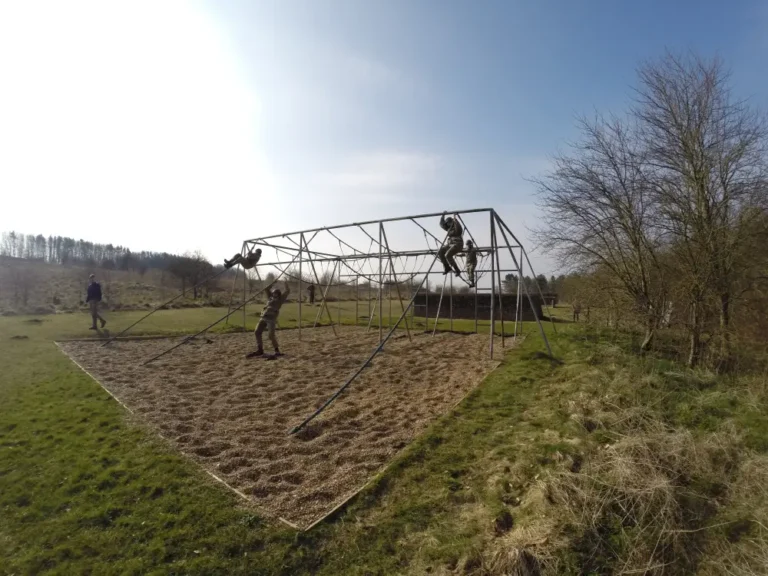
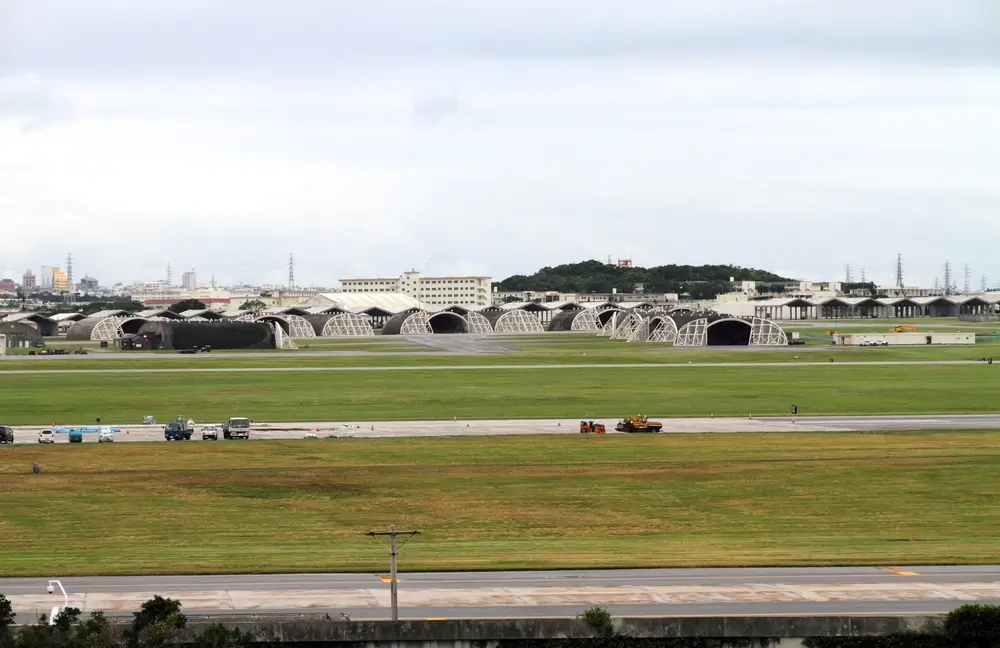
If you are weighing up an NZDF trade, the question behind “where are the NZ Army bases” is usually a practical one: where would I actually live and work? The New Zealand Defence Force runs a network of Army camps, Navy facilities, Air Force bases and shared tri-service sites, and each one attracts a different mix of trades. This guide maps that network region by region, then explains how initial training and postings tend to flow.
One thing to settle early: there is no single Army base. Postings depend on your service, your trade and where the units for that trade sit. The map below is the starting point for that decision.
 NZDF Recruitment · Aptitude & Selection 2026First the test, then the camp.
Clear the NZDF aptitude assessment with proper timed practice before you worry about kit lists.
How to read the NZDF base map
The NZDF is built around three services: the Royal New Zealand Navy (RNZN), the New Zealand Army and the Royal New Zealand Air Force (RNZAF). Alongside them sit tri-service facilities that support joint operations across all three. According to the New Zealand Wikipedia entry maintained on the topic, as of June 2024 the NZDF has a strength of 15,383 employees, made up of regular force, reserve force and civilian members.
The major service hubs are straightforward to remember. Devonport is the Navy’s home. The RNZAF has three principal bases at Whenuapai, Ohakea and Woodbourne. The Army camp network covers Papakura, Waiouru, Linton, Trentham, Burnham and Balmoral.
Camps and bases are managed through a complex matrix structure. According to the Office of the Auditor-General’s 2023 NZDF audit, each site has a commander responsible for the defence area of that site, but that commander does not necessarily command every unit stationed there. In some cases, the commanding officer of a resident unit outranks the camp or base commander. That matters when you read a base description: a site’s location tells you the geography, not the whole chain of command.
The same audit notes that the NZDF’s core work is conducting military operations, with about 200 to 250 personnel deployed overseas each year on average. The official NZDF Camps & bases directory is the reference point for locating individual sites.
When you assess a site, look at three things: the region, the activity it is known for, and whether it is an operational base, a training base, or both. Those three fields explain most of what a posting there would look like.
Auckland region: Papakura Military Camp
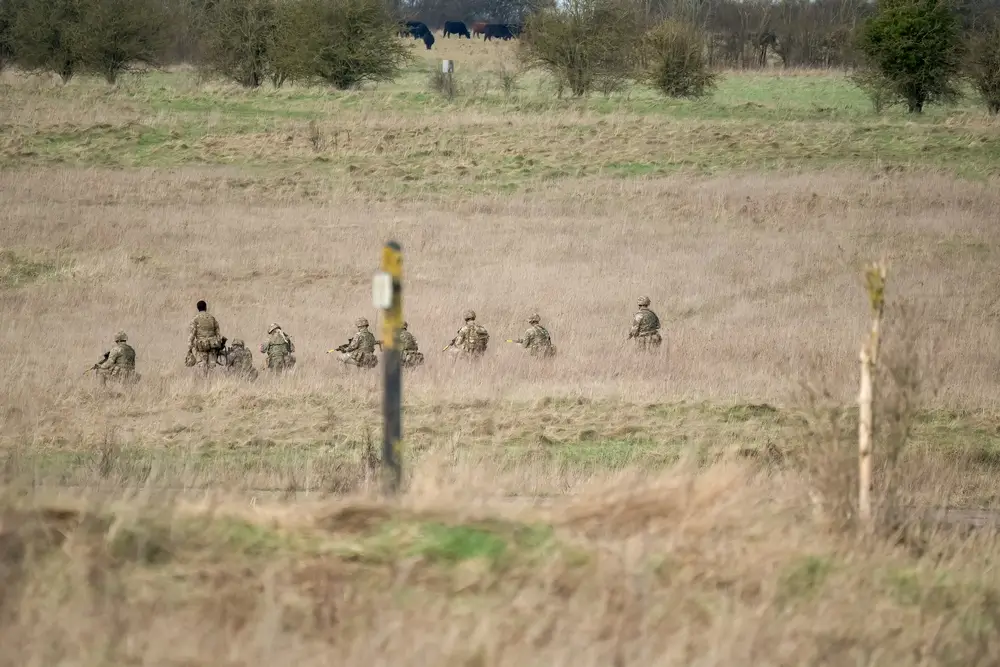
Papakura Military Camp sits in Papakura North, Auckland, and is the base for the 1st New Zealand Special Air Service Regiment and its support services. The camp provides facilities for Special Operations personnel to train for high-risk work.
| Papakura Military Camp | |
|---|---|
| Site information | |
| Type | Army Camp |
| Owner | New Zealand Defence Force |
| Controlled by | New Zealand Army |
| Location | Papakura Military Camp Location within New Zealand |
| Coordinates | 37°02′59″S 174°56′39″E / 37.0497°S 174.9441°E / -37.0497; 174.9441 |
| Site history | |
| Built | 1939 |
| Built by | Sir William Stevenson |
| In use | 1939–present |
| Garrison information | |
| Occupants | New Zealand Special Air Service |
Battle Training Facility
Papakura is also the location of the New Zealand Special Air Service Battle Training Facility. Its main gallery and range is used to engage moving and stationary targets, and the interior can be reconfigured to mirror the kind of building soldiers need to train in. The battle training facility also includes multiple aircraft and vehicle mock-ups, plus a swimming pool for amphibious settings.
That capability shapes the posting pattern. Papakura draws SAS personnel and the support trades that keep a special operations unit running, rather than the large brigade formations you find elsewhere.
Accommodation at Papakura
Ageing barracks infrastructure at the camp had been in use for more than 40 years, which required major maintenance work and led to the closure of five barracks in 2024. In response, the NZDF opened the first of its new “living concept” soldier flats at Papakura. As reported by the NZDF in February 2025, the project delivered five fully furnished four-bedroom flats, with kitchens, lounges, en-suite bathrooms and private balconies. The build took seven months.
“These flats not only provide a solution for what has been a challenging period for our soldiers with regards to accommodation, but they also represent a significant generational change in how we house our people. We’re really keen to see how they go so that we may be able to provide more of them in a timely and cost-effective manner,” said the Papakura Camp Commander.
Auckland region: Devonport Naval Base and Whenuapai
Devonport Naval Base in Auckland is the primary RNZN hub. It incorporates Naval Support Command and HMNZS Philomel, which houses the Naval College Tamaki. If you are joining the Navy, this is where your career starts.
New sailors complete Basic Common Training at HMNZS Philomel, a 16-week course that takes a recruit from civilian to competent and self-disciplined naval sailor, according to the official Defence Careers training pages. It also confirms whether trainees are suited to the Navy and prepares them for specialist training and life onboard ships. Officer candidates undertake Junior Officer Common Training at Devonport, a 21-week programme.
RNZAF Base Auckland at Whenuapai is the largest of the Air Force bases, with an operational focus. That distinction between operational and training bases is one of the more useful filters when comparing likely postings: Whenuapai is where Air Force capability is employed, while recruit training sits further south at Woodbourne.
Auckland also hosts several other Navy facilities, including the Tamaki Leadership Centre in Whangaparāoa, the Kauri Point Armament Depot in Birkenhead and Fort Takapuna at Narrowneck Beach.
Central North Island and Manawatū: Waiouru, Linton and Ohakea
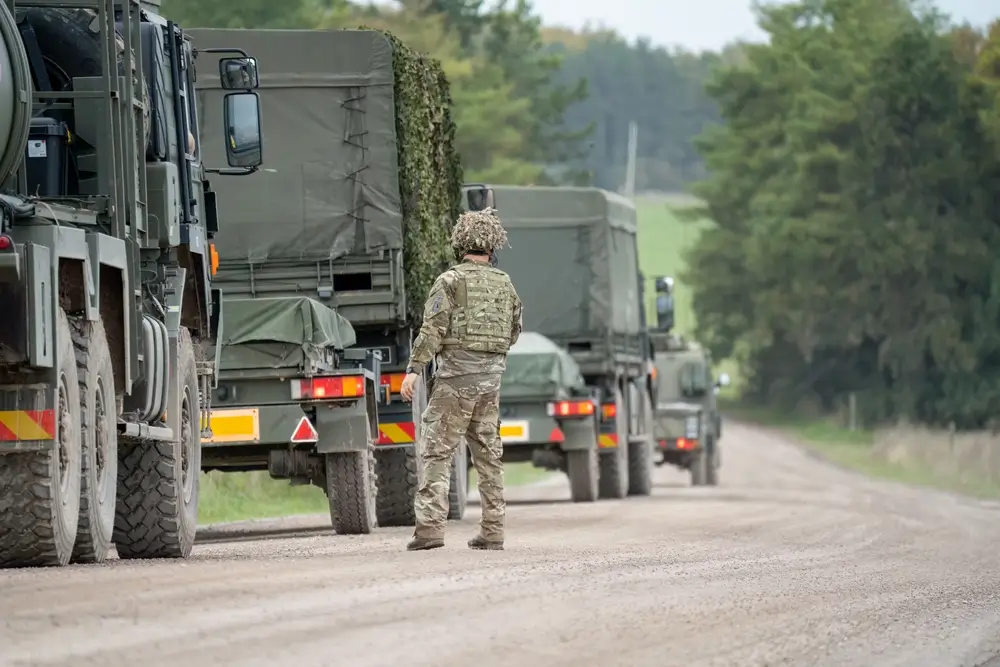
Waiouru Military Camp, in the central North Island, is the New Zealand Army’s primary initial training base. All New Zealand Army soldiers undertake 16 weeks of initial basic training at The Army Depot there, and the camp hosts about 500 civilian and military staff. Waiouru also gives its name to the surrounding military training area, and the Naval Communications Station Irirangi sits nearby.
Linton Military Camp, near Palmerston North, is listed among the New Zealand Army’s key camps. It answers a common question directly: yes, there is an Army camp close to Palmerston North. Hokowhitu Campus in Palmerston North is separately listed as a tri-service facility.
RNZAF Base Ohakea, near Bulls in the Manawatū-Whanganui region, combines operational and training functions. For anyone comparing Air Force trades, Ohakea and Whenuapai are the two bases where operational flying and support work concentrate.
Living arrangements are worth factoring in at this stage. Defence Careers notes that the daily rate to live on a base or camp is affordable, and that personnel who live off base receive an accommodation allowance after three years of service, on top of salary, reflecting housing costs in the area they are posted to. When travel or training is required, accommodation and food are usually provided at no cost.
NZDF Recruitment · Aptitude & Selection 2026First the test, then the camp.Clear the NZDF aptitude assessment with proper timed practice before you worry about kit lists.
Wellington region: Trentham and joint NZDF postings
Trentham Military Camp in Upper Hutt is listed as a tri-service facility, which makes it one of the more varied postings in the country. Headquarters Joint Forces New Zealand is situated there, directing operational forces and controlling overseas deployments.
Trentham also houses the Trade Training School for all services and the Formation Command of Joint Support Group, which oversees NZDF Health personnel and Military Police. If your trade is technical, logistical, medical or policing, Trentham is a realistic posting to plan around.
The wider joint network includes Headquarters NZDF in central Wellington, NZDF administrative and recruiting centres distributed throughout New Zealand, and the Hokowhitu Campus already mentioned. So if you are asking whether there is an Army base in Wellington, the answer is Trentham in Upper Hutt, with a headquarters presence in the city itself.
Reserve applicants should note that Army Reserve Module 1 can be delivered at Trentham Military Camp, alongside Auckland and Christchurch options.
Canterbury and the South Island Army footprint
Burnham Camp, near Dunsandel and 28 kilometres south of Christchurch on the Canterbury Plains, is the largest Army base in the South Island. It is the anchor of the Army’s southern footprint.
The 1st New Zealand Brigade at Burnham brings together combat, combat support and combat service support units: the 2/1st Battalion, Royal New Zealand Infantry Regiment, the 2nd Engineer Regiment, the 1st New Zealand Signal Regiment and the 3rd Combat Service Support Battalion. Within those formations sit infantry companies, field engineering and emergency response, electronic warfare and signals squadrons, and transport, catering, supply and workshop companies.
Burnham also hosts the NZDF Health School, which centralises medical training for NZDF personnel, and the New Zealand Army Band. The result is one of the broadest trade mixes on any single camp: infantry, engineering, signals, logistics, health and music all appear on the same site.
Further south and inland, the Army map includes Balmoral Military Camp in Tekapo and the Tekapo Military Training Area, along with the West Melton Rifle Range near Christchurch and the Glentunnel Ammunition Depot.
Marlborough and the RNZAF network: Woodbourne and other air sites
The RNZAF operates from three principal bases: Base Auckland at Whenuapai, Base Ohakea near Bulls, and Base Woodbourne near Blenheim in the Marlborough region.
Woodbourne is primarily used for training new Air Force recruits. Recruits complete 12 weeks of recruit training there, while officer candidates attend the Officer Commissioning Course, a 19-week programme, according to the official Defence Careers pages. For anyone joining the Air Force, Woodbourne is the first posting to expect, with Whenuapai or Ohakea more likely once trade training is complete.
Beyond the three main bases, the RNZAF uses RNZAF Dip Flat in the Nelson Lakes District, Air Movements at Wellington International Airport and Air Movements Harewood at Christchurch International Airport. The RNZAF Museum is at Wigram in Christchurch.
Regional Reserve and support sites
The Army Reserve operates across the country and supplements the Regular Force, with a network that reaches well beyond the main camps. Army halls and centres support Reserve units in locations including Tauranga, Gisborne, Whanganui, Wellington, Nelson, Greymouth, Cromwell, Dunedin and Invercargill.
Greymouth is the newest addition. In March 2024, New Zealand inaugurated a Reserve Operating Base there to re-establish a military presence on the West Coast. The site houses communications equipment, storage facilities and utility vehicles, supports a 25-person Local Emergency Response Group during states of emergency, and is staffed by troops from the New Zealand Army’s 2nd/4th Battalion South Island Reserves. It will also provide temporary accommodation for the Regular Force during regional exercises.
The reasoning is logistical as much as symbolic. Previously, elements had to be transported in from Nelson, Cromwell, Burnham or Blenheim. Vehicles stationed locally reduce the risk of Alpine fault earthquakes or extreme weather closing the mountain passes.
“Our Reserve Force personnel… provide a direct link to the communities in which they serve, with this facility enabling the battalion to build a stronger presence with the local community,” said New Zealand Army Commander Lt. Col. Gareth Seeds.
Greymouth Mayor Tania Gibson described the launch of the West Coast base as “an encouraging step forward for the region.”
The Naval Reserve has its own regional presence, with units at HMNZS Ngapona in Auckland, HMNZS Olphert in Wellington, HMNZS Pegasus in Christchurch and HMNZS Toroa in Dunedin.
Choose the trade first, then read the likely posting pattern
Recruit training is service-specific, and it differs between officers and other ranks. Army soldiers start at Waiouru on the all arms recruit course, Navy entrants at Devonport, and Air Force recruits at Woodbourne. That first location is fixed by service, not by preference.
What happens next is where the trade choice really bites. After initial training, personnel move into specialised training for their chosen trade and service. That can mean learning on the job, tertiary study, or attending trade courses, with many roles delivering recognised NZQA standards and further professional development. Trentham’s Trade Training School, the NZDF Health School at Burnham, the command and staff school and officer cadet school pathways all sit downstream of that first course.
Housing follows the posting. On-base options include barracks, which are single rooms with a shared kitchen and living area, and married quarters, which any couple can apply for. Whichever you choose, you have access to base facilities: subsidised dining, cafes and small shops, a gym and pool, a medical clinic, dental clinic and physiotherapy, and childcare on some bases. When a posting requires you to relocate, the NZDF covers the cost of moving household items and vehicles and provides paid time off for the move.
Reserve service works differently. Army Reserve personnel generally train one weekend per month, with a minimum cumulative commitment of 20 days per year. Module 1 runs in Auckland, Wellington or Christchurch, and Module 2 is a 38-day residential basic training course at Waiouru. That structure lets you serve from a regional location without relocating.
The practical next step is simple: shortlist two or three trades, check which service runs them, then look up the camps and bases where those units sit using the official NZDF Camps & bases directory. Location is easier to plan around once the trade is settled.
Frequently Asked Questions
What is the biggest military base in New Zealand?
There is no single answer across all services. Burnham is described as the largest Army base in the South Island, while RNZAF Base Auckland at Whenuapai is identified as the largest Air Force base. It is more useful to compare by service and region than to look for one national winner.
What is the biggest Army base in New Zealand?
Burnham Camp, 28 kilometres south of Christchurch, is the largest Army base in the South Island. That regional qualification matters: it is not established as the largest Army base nationwide.
How many military bases are there in New Zealand?
There is no single definitive total. Official and cross-service listings mix principal camps and bases with training areas, reserve units, storage sites, air movements facilities and joint headquarters, so the count depends entirely on the definition you use.
What are the major military bases in New Zealand?
The main hubs are Devonport Naval Base for the Navy; Papakura, Waiouru, Linton, Trentham, Burnham and Balmoral for the Army; and RNZAF Bases Auckland, Ohakea and Woodbourne for the Air Force. Not every listed NZDF facility is a full base, so match each site to its service and the trades it hosts.
Where are the NZDF bases located?
NZDF sites span Auckland, the central North Island, Manawatū-Whanganui, Wellington and Upper Hutt, Canterbury, Marlborough and other regional locations. The main points on the map are Devonport, Papakura, Whenuapai, Waiouru, Linton, Ohakea, Trentham, Burnham and Woodbourne, plus reserve and support sites such as Greymouth.
Where is the NZ Army based?
The Army has no single base. Its main camp network includes Papakura in Auckland, Waiouru in the central North Island, Linton near Palmerston North, Trentham in Upper Hutt, Burnham near Christchurch and Balmoral in Tekapo, with Reserve locations spread around the country.
Where is NZ Army basic training?
New Army recruits start at Waiouru Military Camp in the central North Island. The Regular Force recruit course there runs for 16 weeks.
Is there an Army base in Wellington?
Yes. Trentham Military Camp in Upper Hutt, in the Wellington region, is a tri-service facility and hosts Headquarters Joint Forces New Zealand. Headquarters NZDF is in central Wellington, but that is a headquarters site rather than an Army camp.
Is there an Army base in Palmerston North?
Yes. Linton Military Camp sits near Palmerston North and is one of the Army’s key camps. Hokowhitu Campus in Palmerston North is separately listed as a tri-service facility.
Sources
NZDF Recruitment · Aptitude & Selection 2026First the test, then the camp.Clear the NZDF aptitude assessment with proper timed practice before you worry about kit lists.