Choosing a career in the New Zealand Defence Force means choosing a Service, a trade and a level of commitment before you ever put on a uniform. That is a lot to weigh up at once, especially if you are leaving school or thinking about a change from civilian work. This guide sets out what NZDF careers actually cover, how entry works, what the aptitude tests measure, and what the training and pay look like once you are in.
Everything here comes from official Defence Force material and cited career guidance. Where a figure applies to one Service or one role only, it is flagged as such, because a soldier trade and an officer trade rarely share the same numbers.
 NZDF Recruitment · Aptitude & Selection 2026Your trade decides which test you sit.
Work through NZDF style aptitude questions under time and find out where you actually stand.
What NZDF careers cover
The NZDF brings together the Navy, Army and Air Force under one recruitment structure. According to the NZDF’s building a career material, there are over 100 unique trades across the three Services, which the Defence Force describes as the greatest choice of career options and ongoing training of any New Zealand employer.
A trade simply means an individual’s specific role or line of work. Some map closely to civilian occupations such as construction, engineering and hospitality. Others are distinctly military: combat, medical support in the field, vehicle operations and communications. The work can take place on land, at sea or in the air, and it combines operational service with specialist training in your chosen area.
The Defence Force describes itself as a combat-ready force, trained, equipped and ready to respond, advancing New Zealand’s interests through military operations at sea, on land and in the air. The same skills and equipment support communities in need at home, in neighbouring regions and further afield, which is why disaster relief and search and rescue sit alongside combat readiness in most role descriptions.
Trade families across the Services
The NZDF groups trades into families to streamline recruitment and training. Each family has its own broad entry expectations, its own specialty training focus, and its own aptitude testing requirement.
| Trade Family | Entry Requirements | Speciality Training Focus | Pay Range | Aptitude Test |
|---|---|---|---|---|
| Combat | General aptitude, physical fitness | Varies depending on specific role (e.g., infantry, artillery) | Refer to NZDF pay scales for military personnel | SHL Verify G+ |
| Technical and Engineering | Aptitude for technical subjects, problem-solving skills | Mechanical, electrical, or other engineering disciplines | Refer to NZDF pay scales | SHL Verify G+ and SHL Verify Mechanical Comprehension |
| Health Services | Academic background in science, specific health prerequisites | Medical, dental, or pharmaceutical specialisation | Refer to NZDF pay scales | SHL Verify G+ |
| Logistics | Organisational skills, attention to detail | Supply chain management, inventory, transport coordination | Refer to NZDF pay scales | SHL Verify G+ |
| Communications | Aptitude for electronics, IT, and communication systems | Signals, cyber warfare, IT support | Refer to NZDF pay scales | SHL Verify G+ and SHL Verify Mechanical Comprehension |
| Intelligence | Analytical skills, discretion, specific academic background | Analysis, surveillance, information gathering | Refer to NZDF pay scales | SHL Verify G+ |
| Aviation | High level of physical and cognitive ability, specific aptitude for aviation | Aircrew roles, aircraft maintenance | Refer to NZDF pay scales | SHL Verify G+ and specialised aviation aptitude tests |
| Maritime | Aptitude for naval operations, navigation, and seamanship | Seafaring roles, marine engineering | Refer to NZDF pay scales | SHL Verify G+ |
For current role and rank rates, check the pay page rather than assuming a single figure applies across a whole family.
Using the role directory
The Defence Careers role directory lets you filter by Service, commitment, entry type, career category and level of education. That last filter matters if you are still at school, because it separates roles you can apply for now from those that expect tertiary study. The Army browser alone lists 45 roles, and the Engineering and Technical trades specialisation shows 25 roles across all Services.
Within the New Zealand Army specifically, NZDF material cites more than 40 trades for soldiers and eight trades for officers. The Army itself is made up of around 4500 staff, according to figures published by education provider Wintec.
Entry routes and baseline eligibility
The directory distinguishes five entry types: General entry, Officer entry, Apprenticeships, Navy Reserve and Army Reserve. General entry is the most common route into a soldier or sailor trade. Apprenticeships lead to a recognised trade qualification. Officer entry puts you on a leadership pathway from the start.
Citizenship or residence is the first gate. To apply for any NZDF career you need to be one of the following: an NZ citizen, an NZ Permanent Resident, an NZ Residence class visa holder with indefinite stay, or a military member from the UK, USA, Canada or Australia. Meeting that condition makes you eligible for a security clearance, which every uniformed role requires.
Education requirements vary by trade rather than by Service. For Army soldier basic training, the cited guidance asks for at least three years of secondary school education, with NCEA Level 1 credits in subjects such as English, maths, science, engineering, history, languages, physical education and technology described as useful. Applicants also need no criminal convictions, medical and physical fitness, and a clean New Zealand driver’s licence is recommended. Some trades set higher bars, including specific subject credits or a tertiary degree, so check the requirements for the trade you actually want.
Age thresholds differ between streams. The cited Army soldier guidance sets a minimum of 17 years old to apply, with candidates needing to be 18 at the completion of basic training. Officer applicants must be over 16.5 years old when applying. Officer entry also involves a driver licence, a police check, a medical assessment and completion of officer training.
Aptitude tests, selection and initial training
NZDF aptitude tests exist to provide objective information about how a candidate is likely to perform during training and in their early career. The aim is to identify people most likely to succeed in a given trade, not to filter for a single type of person.
SHL Verify G+ is the general aptitude test used across every trade family. Technical, engineering and communications pathways add the SHL Verify Mechanical Comprehension test, which looks at practical reasoning about mechanical and electrical systems. Aviation roles add specialised aviation aptitude testing on top of SHL Verify G+.
Beyond testing, most applicants attend a formal interview for their selected trade. Some Army trades add a selection board, which helps determine suitability for the role and may require attending a selection event in person. Recruitment listings show that when a selection board closes for an intake, applicants are directed to the next one. Your recruiter is the person to ask about whether your chosen trade includes a board.
Initial training follows selection. For the cited Army soldier pathway, that means 16 weeks of basic training at Waiouru Army Camp, followed by corps training for your selected Army trade. Officers take a different route: the New Zealand Commissioning Course runs for 12 months. Both streams then continue into role-specific and progression training throughout a career.
Combat and operational Army roles
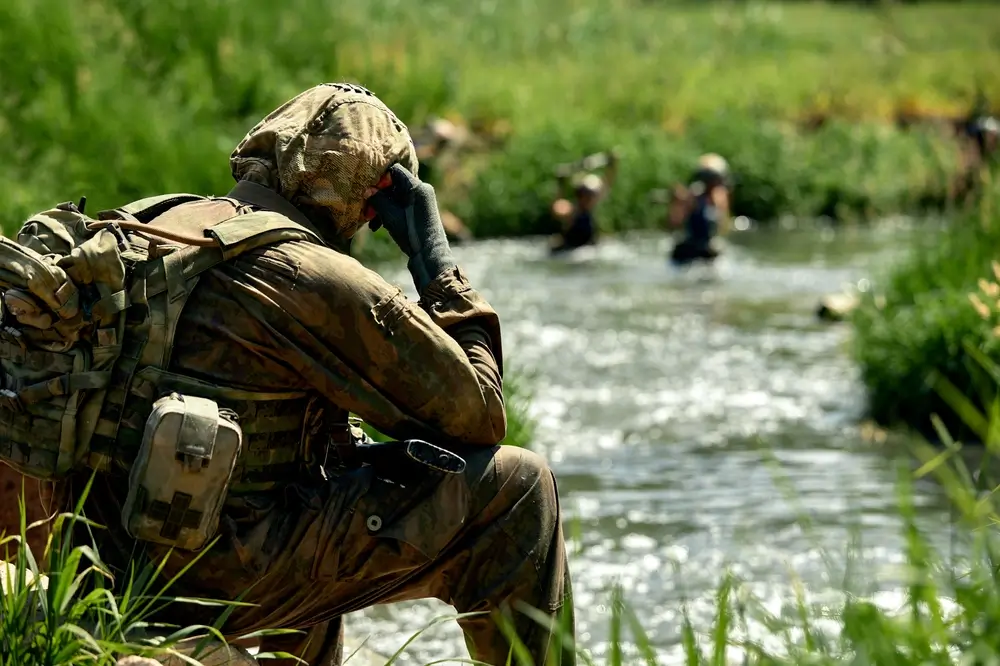
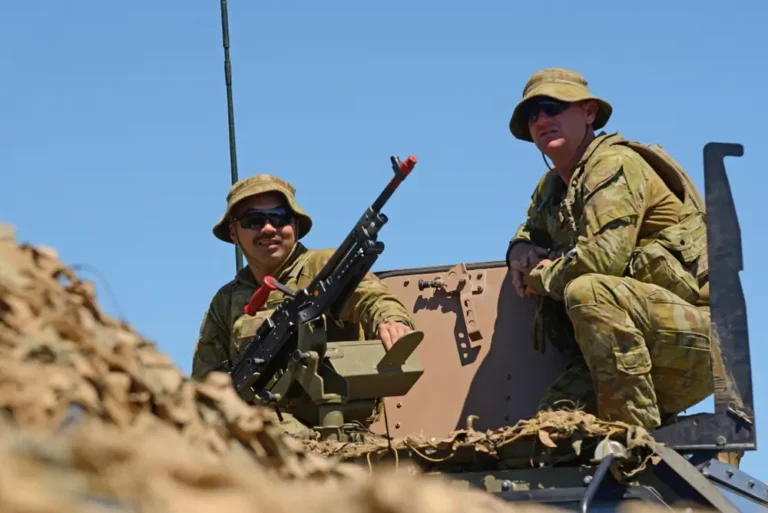
Combat sits at the centre of Army career categories. The Army describes itself as the fighting force of New Zealand, working alongside the Navy and Air Force as well as other government and non-government agencies. Soldiers serve on combat, security, peacekeeping, humanitarian assistance and disaster relief missions.
Day-to-day duties in a combat trade can include operating and maintaining military equipment such as weapons, radios and vehicles, taking part in combat, loading and unloading supplies, setting up camps, and training in fieldcraft, navigation, first aid and fitness. Ceremonial parades, wartime-scenario exercises, search and rescue and disaster relief work in New Zealand and overseas all form part of the job.
Combat entries in the directory include Armoured (Combat Specialist), Gunner (Combat Specialist), Infantry (Combat Specialist), Combat Driver and Combat Engineer. Artillery roles operate the 105mm light gun. Reserve versions of several combat roles exist too, including Reserve Combat Driver, Reserve Combat Engineer and Reserve Infantry.
Each of these has a dedicated role page with the full detail on duties, entry standards and progression, so treat the list above as a starting point for browsing rather than a complete description.
NZDF Recruitment · Aptitude & Selection 2026Your trade decides which test you sit.Work through NZDF style aptitude questions under time and find out where you actually stand.
Engineering, technical trades and Army apprenticeships
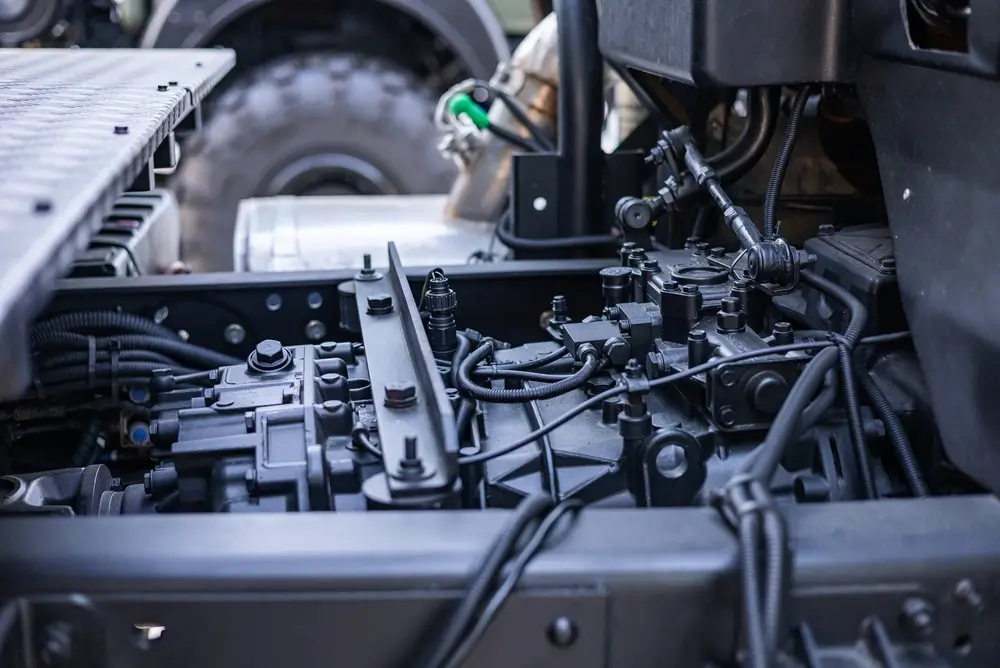
Engineering and Technical trades cover maintaining, repairing and diagnosing problems with the Defence Force’s most complex equipment. The specialisation lists 25 roles across all Services, each with its own required skill set. Whichever Service you choose, the common thread is keeping machinery operational.
Army apprenticeship trades take a different shape. You learn the craft, skills and techniques of your trade from the basics through to advanced capability, with on-the-job training under experienced guides. The Defence Force emphasises that these are real-world, transferable skills, which matters if you ever move back into civilian work. The Army apprenticeship trades specialisation lists 6 roles.
Technical roles in the Army include Automotive Technician, Carpenter, Electrical Fitter, Electrician, Maintenance Fitter and Plumber. Automotive Technicians keep everything from diesel trucks and armoured vehicles to motorbikes and generators mission ready. Electrical Fitters ensure power generation, refrigeration and electrical systems stay operational wherever the Army deploys. Maintenance Fitters repair a diverse range of equipment and use advanced engineering skills to fabricate solutions that keep units operational.
Other technical entries include Ammunition Technician, responsible for the inspection, bulk storage, field storage, maintenance and disposal of all ammunition and explosives used by the Navy, Army and Air Force, and Plant Operator (Heavy Machinery Operator), who uses heavy machinery to construct or cross obstacles.
Health, logistics, hospitality and specialist support
Not every uniformed role involves the front line. Medics in the Royal New Zealand Army Medical Corps provide medical support in both battlefield and field hospital environments, and the Health Services family also covers dental and pharmaceutical specialisations. Entry usually assumes an academic background in science or specific health prerequisites.
Logistics work keeps operations moving. Logistics Specialists ensure soldiers have enough equipment and supplies to complete any task in peacetime and on operations, covering ammunition, fuel, spare parts and clothing. Training focuses on supply chain management, inventory and transport coordination, and the family values organisational skills and attention to detail at entry. Reserve Logistics Specialist roles apply the same work on a part-time basis.
Hospitality has a strong presence too. NZ Army Chefs are trained in both culinary arts and front-of-house service, responsible for the consistent delivery of tasty, nutritious meals using technical and creative skills. The chef trade is a good example of civilian parity: the qualification undertaken as part of trade training is the civilian industry qualification.
Communications, intelligence, aviation and maritime pathways
Communications trades sit within Signals work, cyber warfare and IT support, and expect aptitude for electronics, IT and communication systems at entry. The Army has introduced the Information and Data Management Specialist trade within the Royal New Zealand Corps of Signals, recognising that effective use of data and information in digital age warfighting enables better military operations. Project Lead Major Peter Amyes has said the role delivers specialist skills directly supporting commanders and staff in complex, data-rich environments, and Diploma and Bachelor degree level tertiary training is planned for the trade. Beyond operations, these specialists can also streamline information exchange in inter-agency work such as humanitarian and disaster relief.
Intelligence roles ask for analytical skills, discretion and, for some positions, a specific academic background. Training covers analysis, surveillance and information gathering.
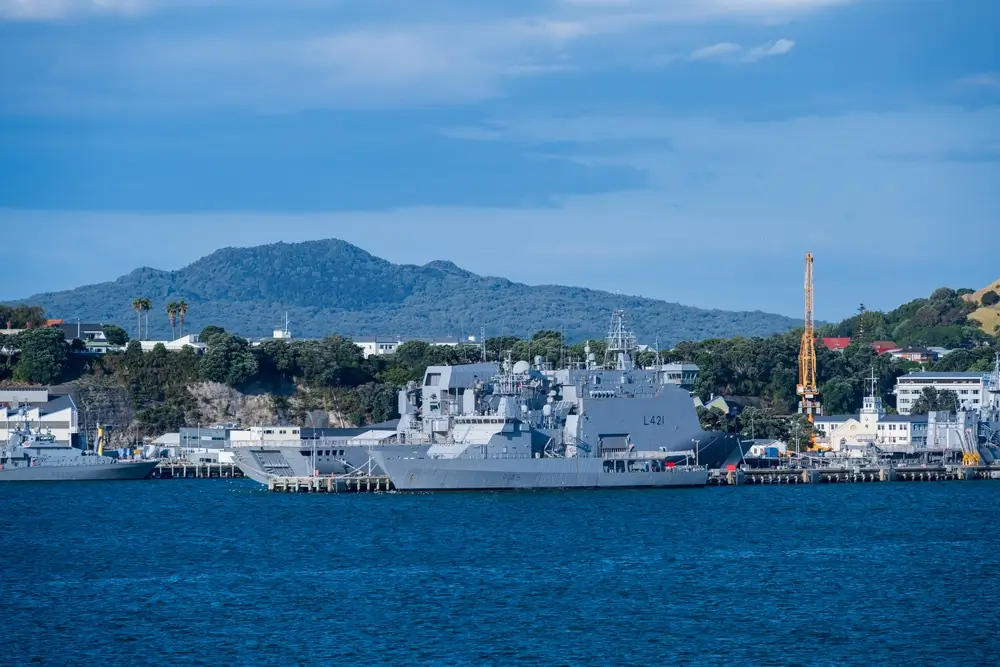
Aviation and maritime pathways split by function. In the Air Force, roles divide between aircrew and aircraft maintenance, with entry expecting a high level of physical and cognitive ability plus specific aviation aptitude. The Royal New Zealand Air Force describes itself as highly trained, adaptable teams working with and deploying cutting-edge technologies. In the Navy, maritime trades cover seafaring, navigation and marine engineering, with entry weighted towards naval operations and seamanship.
Pay, qualifications and career development
NZDF career pages state that you earn a competitive salary while training, with pay rises in line with rank and qualifications. That is the structural principle: pay follows what you can do and where you sit in the rank structure, not just time served.
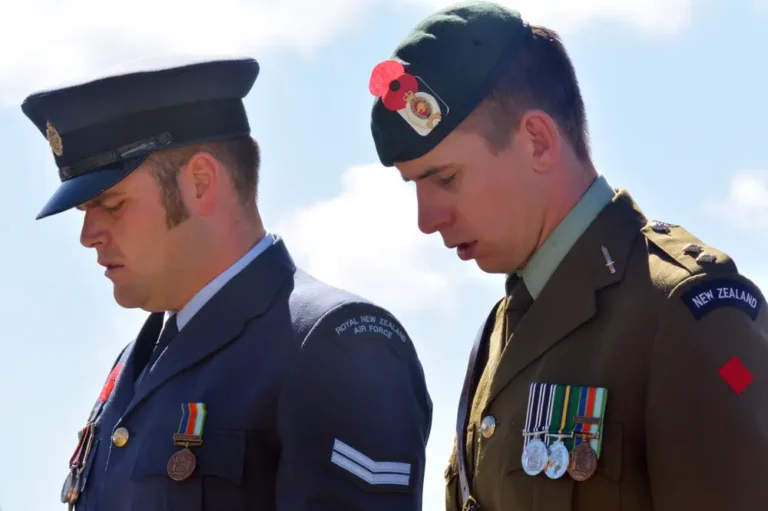
The cited Army soldier salary range is $68,000 to $98,000 per year, according to Wintec’s Army soldier guidance. The cited Army officer range is $68,000 to $140,000 per year. Both figures are Army-specific and single-source, so treat them as indicative rather than as a rate card for every Service or trade. Current role and rank rates should be checked against the official pay information.
Qualifications are one of the strongest arguments for a Defence trade. Much of the trade training in the military has achieved parity with civilian qualifications, meaning the training earns you the equivalent qualification for civilian life. Some trades deliver the civilian industry qualification directly.
Upskilling continues after you qualify. The NZDF’s Voluntary Education Study Assistance programme provides financial assistance for full-time personnel to undertake part-time study towards a Level 4 or higher qualification on the New Zealand Qualifications Framework. According to the NZDF career development page, eligible members can apply after completing two years of service.
Progression itself runs through roles, locations, work environments and ranks. The NZDF notes it is one of very few organisations that trains its military people from entry level, starting with initial or recruit training and continuing through progression courses and on-the-job learning specific to your corps, trade, branch or speciality.
Regular Force, Army Reserve and current intakes
Commitment level is a real decision, not an afterthought. Regular Force service is full-time. The Army Reserve is part-time, framed as an option if joining full-time is too full-on while still offering training and experiences you would not get elsewhere. Reserve roles are military roles with military training, not civilian jobs attached to a base.
Intakes are published on the Defence Careers site with role lists, selection board notes and training dates. Recent listings include Army Recruit Regular Force 423 and Army MOD Nov 26 for Reserve roles. Regular Force intake listings have covered Ammunition Technician, Armoured, Chef, Combat Driver, Gunner, Infantry, Logistics Specialist, Medic, Military Police, Movement Operator and Plant Operator. Reserve listings have covered Reserve Combat Driver, Reserve Combat Engineer, Reserve Medic, Reserve Infantry and Reserve Logistics Specialist.
Two practical warnings apply. Roles and dates are subject to change, so anything you read here should be confirmed against the current intake page. And the Defence Force recommends applying early, because late applications are considered but cannot be guaranteed a preferred intake. Not every available role appears on the intake page either, so it is worth applying even if your trade is not listed.
A note on civilian NZDF roles
This guide covers military trades. The NZDF also employs civilians in a range of roles, and information on civilian vacancies is available through the official NZDF careers portal. The military application pages, including citizenship, residence and security clearance guidance, apply to uniformed careers only.
How to take the next step
Start with the trade, not the Service. Filter the role directory by career category and education level, shortlist two or three roles, then read the entry requirements for each one carefully, since age, NCEA subjects and selection board requirements differ trade by trade.
From there, check your citizenship or residence status, look at the current intake dates for your shortlisted roles, and apply online. A candidate coordinator can then support you through aptitude testing, fitness testing, medical assessment, the trade interview and, where required, a selection board.
Frequently Asked Questions
What qualifications do you need to join the NZ Army?
The cited Army soldier guidance asks for at least three years of secondary education, and notes that NCEA Level 1 credits in subjects such as English, maths, science and technology can be useful. You also need to meet medical, physical and citizenship or residence requirements, pass aptitude and fitness tests, and attend a formal interview for your chosen trade. Some trades set different age, subject or selection board requirements.
Can a 35-year-old join the Army, and is there an age limit?
The available sources do not state a general upper age limit. They do confirm that Army soldier applicants can apply from age 17 and must be 18 by the completion of basic training, and that some trades set different age requirements. A 35-year-old applicant should check the current requirements for their chosen trade with Defence Careers.
How much do Army and NZDF personnel get paid?
The cited Army soldier range is NZ$68,000 to NZ$98,000 per year, and the cited Army officer range is NZ$68,000 to NZ$140,000 per year. NZDF career pages also state that personnel earn a competitive salary while training, with pay rises linked to rank and qualifications. Check current role and rank rates on the official pay information before making a decision.
Is it hard to join the NZDF or get a job in defence?
There is no simple difficulty rating in the official material. Selection involves eligibility checks, aptitude and fitness testing, a formal interview and, for some Army trades, a residential or in-person selection board. The practical approach is to check the requirements for your chosen trade and apply through the official process.
How do you join the New Zealand Defence Force?
Begin by checking the citizenship or residence conditions and the specific requirements for the military trade you want. You then apply online, after which a candidate coordinator can provide support, updates and information through the process. Aptitude, fitness, medical, interview and selection stages follow.
What careers can I get in the New Zealand Army?
Army career categories include Apprenticeship Trades, Combat, Engineering, Hospitality, Intelligence, IT and Communications, Logistics and Administration, Medical and Health, and Specialist Officers. The Army runs both Officer and Soldier streams, plus part-time Reserve options across many of the same trades.
What trades can you do in the Defence Force?
The NZDF lists over 100 unique trades across the Navy, Army and Air Force. Families include combat, technical and engineering, health services, logistics, communications, intelligence, aviation and maritime work, with additional hospitality, administration and specialist pathways. The role directory can be filtered by Service, commitment, entry type, career category and education level.
Can you get a trade in the military?
Yes. NZDF members usually choose a particular trade before starting, then complete military trade training, on-the-job learning and, where relevant, study outside the military. Much of that training is described as equivalent to civilian qualifications, and some trades deliver an industry qualification directly.
Sources
NZDF Recruitment · Aptitude & Selection 2026Your trade decides which test you sit.Work through NZDF style aptitude questions under time and find out where you actually stand.
NZ Army Infantry: Training, Battalions and Career Paths
NZ Army Pay 2026: Salary, Rank Scales, Allowances & Benefits