The NZ Army Reserves let you serve part time while keeping your job or your degree. That sounds simple, but the practical questions are what matter: how many days a year, how much time away at the start, how much you get paid, and what your employer has to agree to.
This guide pulls together what the official Defence Careers material, NZDF documents and the Defence Employer Support Council actually say. No recruiting pitch, just the numbers and the trade-offs, so you can judge whether Reserve service fits your life.
 NZDF Recruitment · Aptitude & Selection 2026Your trade decides which test you sit.
Work through NZDF style aptitude questions under time and find out where you actually stand.
A third way to serve
The Army Reserve Force, formerly known as the Territorial Force, is the part-time component of the New Zealand Army. According to Defence Careers, Reserve soldiers and officers supplement the full-time Regular Force on local and international operations. It sits alongside full-time enlistment and officer entry as a distinct way into the NZDF.
Reserve positions are paid part-time roles, not unpaid volunteering. The NZDF describes them as military positions on a casual, part-time basis, which means you are employed and remunerated for the days you serve while holding down civilian employment or study.
Not every reservist trains at the same tempo. NZDF documents distinguish the Ready Reserve, made up of personnel who attend training on a regular basis, from the Standby Reserve, personnel who do not train regularly but may be called on occasionally for their specialist skills. Most people joining today are heading into the Ready Reserve pattern of monthly training.
For scale, Wikipedia records that as of June 2024 the NZDF had a total strength of 15,383 personnel, including 10,037 Regular Force members, 3,281 reserve force members and 3,294 civilian staff.
What NZ Army reservists actually do
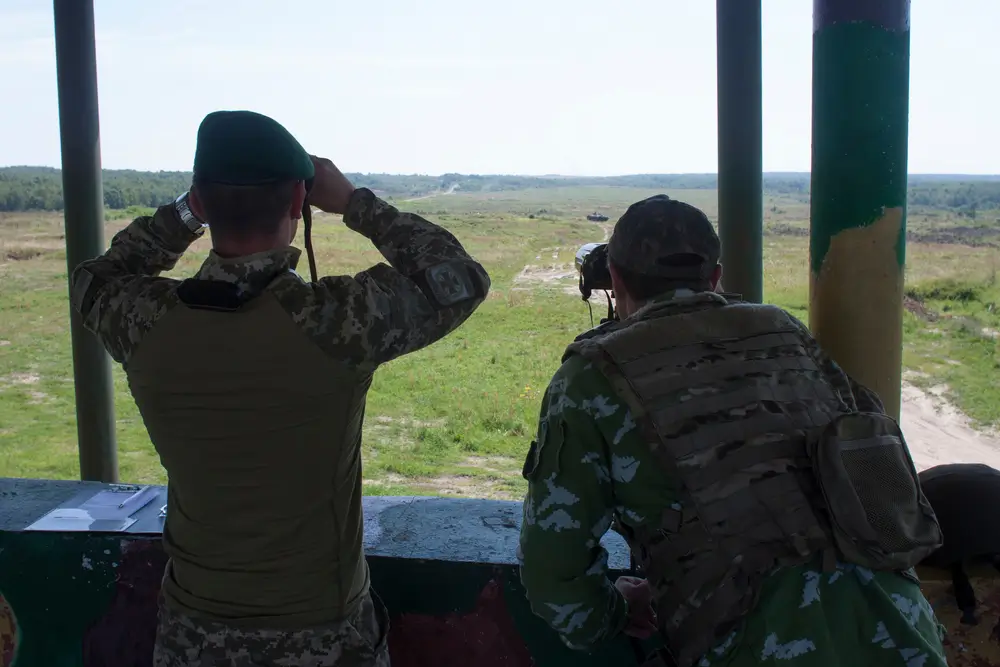
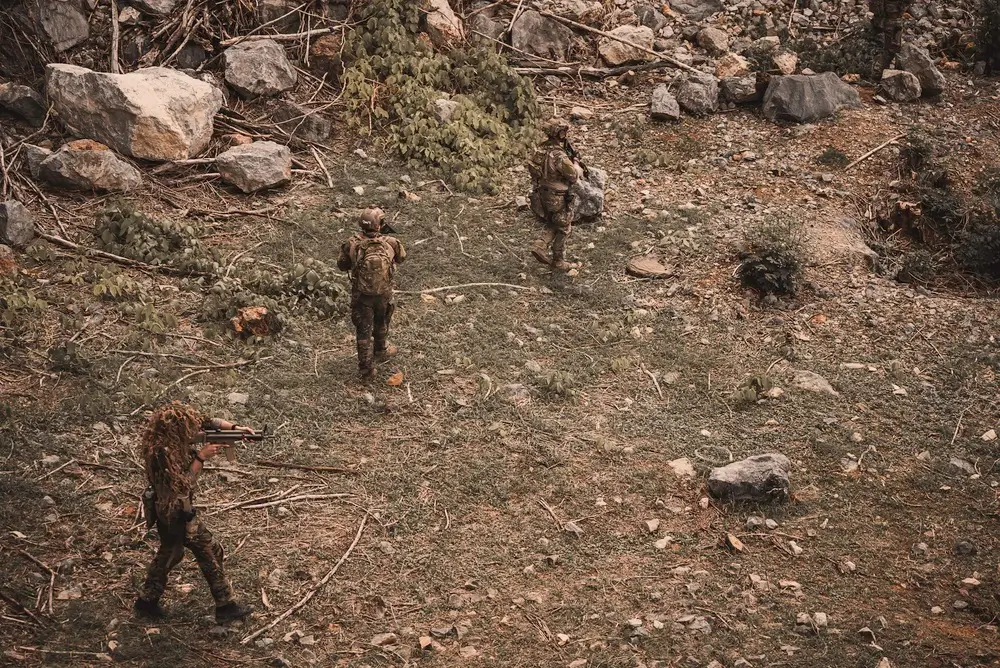
Reservists use their military skills across a wide range of situations, from assisting in civil emergencies to operational deployments overseas. In recent years, according to Defence Careers, they have supported international and domestic disaster relief, domestic civil service, support to Scott Base Antarctica, international peacekeeping and training, and combat operations.
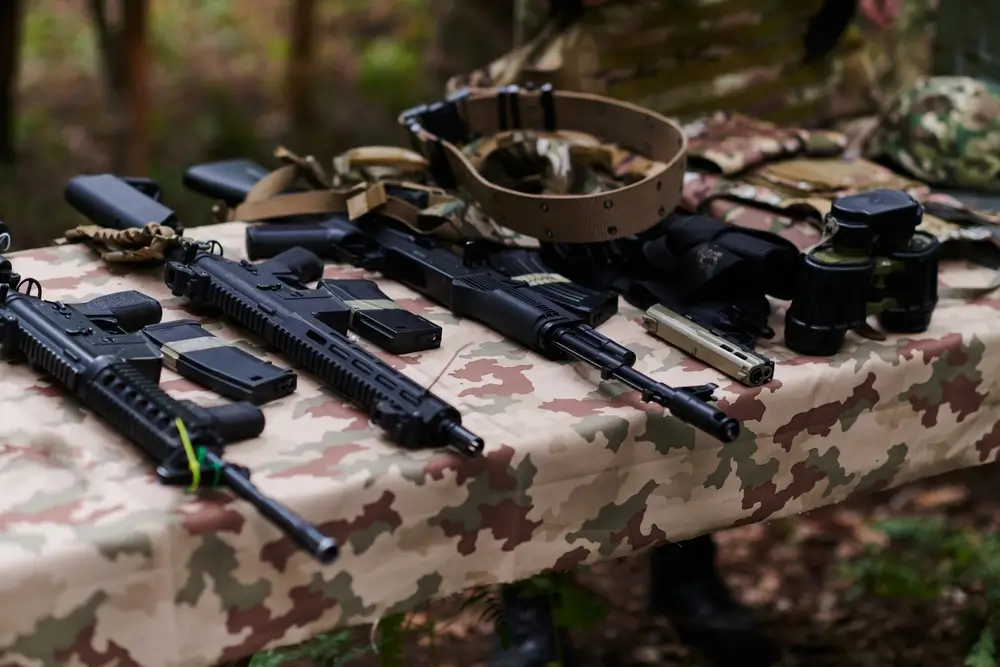
Day to day, the Reserve Force provides trained people who augment Regular Force units in New Zealand and overseas. Training covers specialist qualifications such as advanced driving, first aid and transporting hazardous materials, leadership training aligned with recognised military standards, operational risk management, ceremonial duties, weapons handling and marksmanship.
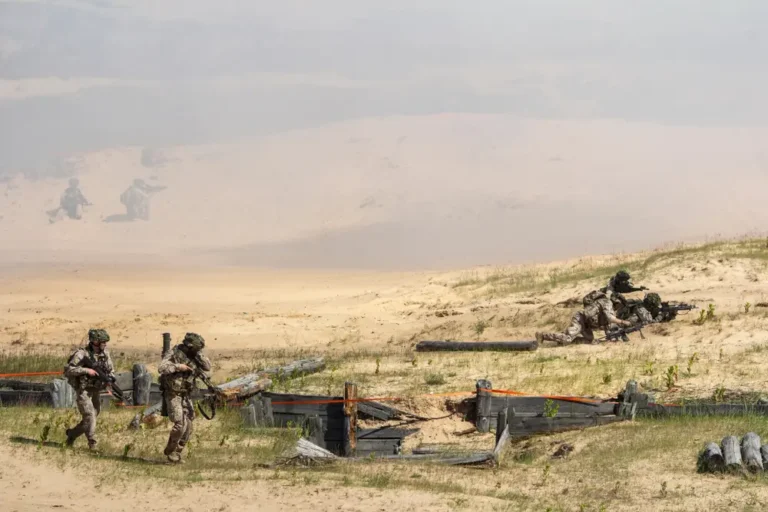
The clearest recent example is Exercise Tauwharenīkau 2026, the Reserve Force’s premier warfighting exercise. NZDF reports that nearly 500 New Zealand Army Reserve Force personnel took part, joined by 40 Australian Army Reservists, with the deployment led by 2/4 Battalion, Royal New Zealand Infantry Regiment and based near Gore. The stated aims were combat readiness, leadership and interoperability with a partner force in a realistic field environment.
The real weekly and annual commitment
Reserve Force soldiers and officers generally train one weekend per month, plus the occasional weekday evening. Defence Careers sets the minimum expected commitment at a cumulative 20 days per year, and that figure is repeated by the Defence Employer Support Council and in recent NZDF reporting.
Beyond the monthly rhythm, longer annual field exercises run between five and 10 days. That is the part people underestimate: it is a concentrated block that has to be negotiated with an employer or timed around exams.
New Zealand employment law backs reservists here. The Defence Employer Support Council states that routine part-time service or training can qualify for up to three weeks of leave without pay, while whole-time service or training, including initial Basic Training, can qualify for up to three months. At least 14 days’ notice is required.
Initial training: about seven weeks in three stages
Defence Careers describes initial Reserve training as three stages totalling approximately seven weeks. It is spread out rather than served in one continuous block, but the middle stage is residential and full time.
Module 1 is a two-day introduction to the Army and to Reserve Force service. You are attested into the New Zealand Army and taught the basics of drill and command, military law, the ethos and values of the NZ Army, and the particulars of Reserve service. It runs in Auckland, Wellington or Christchurch.
Module 2, Basic Training, is a 38-day residential course at Waiouru Military Camp. It covers drill, first aid, in-service communications, the Modularised Assault Rifle System – Light (MARS-L) and the light support weapon (LSW-C9), live firing and annual weapons qualification, the high explosive grenade, and living in the field including patrolling, section work, fieldcraft and battlecraft. Expect intensity: 92 Army Reserve Force soldiers graduated from one recent course, and the Commanding Officer of The Army Depot at Waiouru, Lieutenant Colonel Kevin Williams, put it plainly.
“It is an intensive and compact course due to the high number of learning objectives that need to be achieved in a short period of time.”
Corps Training is the third stage, a 14-day trade-specific course delivered residentially or in modules depending on the role and the training schedule.
Eligibility and how selective it is
Reserve applicants must be at least 18 by the time they graduate from the recruit course, while the general NZDF eligibility page accepts applications from age 17. Neither page states a maximum age. The Reserve Infantry role lists three years of secondary school, medical fitness and minimum entry fitness standards.
Reserve entry is not a shortcut. Candidates still sit aptitude tests, interviews and academic record checks, according to RNZ reporting on NZDF entry requirements, and they must meet security clearance criteria. The security clearance process is one of the reasons applications take time, so plan for it rather than treating it as a formality.
NZDF Recruitment · Aptitude & Selection 2026Your trade decides which test you sit.Work through NZDF style aptitude questions under time and find out where you actually stand.
How Army Reserve pay works
Reservists are paid a Daily Rate of Pay (DROP) for the days they serve, not a fixed monthly salary. That is why there is no single “monthly wage” for the Reserve: your earnings depend on how many days you serve, in what role, and at what rank.
Initial Daily Rate
As an Army Reserve soldier, the minimum remuneration you will be paid is a daily rate, including holiday pay. The NZDF also pays 4% Kiwisaver on top of your personal contribution. Your remuneration will increase on promotion and seniority.
| Rate Type | Amount |
|---|---|
| Initial Daily Rate | $252 |
The Reserve Officer pathway publishes a higher figure, with an initial daily rate of $284.00. Both rates include Holiday Pay, and the NZDF contributes 4% to KiwiSaver on top of your own contribution. Rates increase with promotion and seniority, so the initial figure is a starting point, not a ceiling.
For the wider picture, an NZDF Official Information Act release sets out DROP by rank tier for the Territorial Force, effective 1 July 2024. Holiday Pay of 10% is paid in lieu of the annual leave that Regular Force members receive.
| Navy Army Air Tier | Step 7 TR | Step 7 TR3 | DROP TF | DROP TF + 10% HP |
|---|---|---|---|---|
| ORD PTE AC 1 | $ 72,750.00 | $ 72,750.00 | $ 279.81 | $ 307.79 |
| ORD PTE AC 2 | $ 73,490.00 | $ 73,490.00 | $ 282.65 | $ 310.92 |
| AB LCPL LAC 1 | $ 78,189.00 | $ 78,189.00 | $ 300.73 | $ 330.80 |
| AB LCPL LAC 2 | $ 79,326.00 | $ 79,326.00 | $ 305.10 | $ 335.61 |
| AB LCPL LAC 3 | $ 80,539.00 | $ 80,539.00 | $ 309.77 | $ 340.74 |
| LH CPL CPL 1 | $ 85,874.00 | $ 85,874.00 | $ 330.28 | $ 363.31 |
| LH CPL CPL 2 | $ 87,154.00 | $ 87,154.00 | $ 335.21 | $ 368.73 |
| LH CPL CPL 3 | $ 88,452.00 | $ 88,452.00 | $ 340.20 | $ 374.22 |
| PO SGT SGT 1 | $ 94,392.00 | $ 94,392.00 | $ 363.05 | $ 399.35 |
| PO SGT SGT 2 | $ 95,795.00 | $ 95,795.00 | $ 368.44 | $ 405.29 |
| PO SGT SGT 3 | $ 97,230.00 | $ 97,230.00 | $ 373.96 | $ 411.36 |
| CPO SSGT FIS 1 | $ 106,189.00 | $ 106,189.00 | $ 408.42 | $ 449.26 |
| CPO SSGT FIS 2 | $ 107,803.00 | $ 107,803.00 | $ 414.63 | $ 456.09 |
| CPO SSGT FIS 3 | $ 109,401.00 | $ 109,401.00 | $ 420.77 | $ 462.85 |
| WO WO2/1 W/O 1 | $ 119,633.00 | $ 119,633.00 | $ 460.13 | $ 506.14 |
| WO WO2/1 W/O 2 | $ 121,581.00 | $ 121,581.00 | $ 467.62 | $ 514.38 |
| WO WO2/1 W/O 3 | $ 123,272.00 | $ 123,272.00 | $ 474.12 | $ 521.54 |
One element inside those totals is the Military Factor, the component that compensates for the demands of military service. The NZDF states that a universal Military Factor of $18,024 per annum took effect on 1 July 2024, which feeds into the total remuneration used to calculate each Daily Rate of Pay.
Be sceptical of crowd-sourced salary sites. Figures circulating on job platforms are built from a handful of anonymous submissions and sit far below the published official rates.
Roles, civilian expertise and progression

The Army Reserve career page lists eight specialisations: Reserve Combat Driver, Reserve Combat Engineer, Reserve Infantry, Reserve Logistics Specialist, Reserve Medic, Reserve Medical Scientific Officer, Reserve Officer and Reserve Radiographer. After recruit training, NZDF says soldiers move into trades and corps including infantry, armoured, medic, combat engineer and combat driver.
Basic soldier skills come first: weapon handling, first aid, fieldcraft, navigation, fitness training and teamwork. As a part-time career advances, the emphasis shifts towards leadership and more complex planning.
Existing civilian expertise is genuinely usable. Defence Careers points to areas such as medicine, engineering, GIS, IT, construction and project management. One recent recruit intake included pilots, farmers, police officers, students, stay-at-home parents, software engineers, tradespeople and a flight paramedic. The Reserve Officer route is described as an internal progression pathway for serving Reserve or Regular Force soldiers.
Units and where they are based
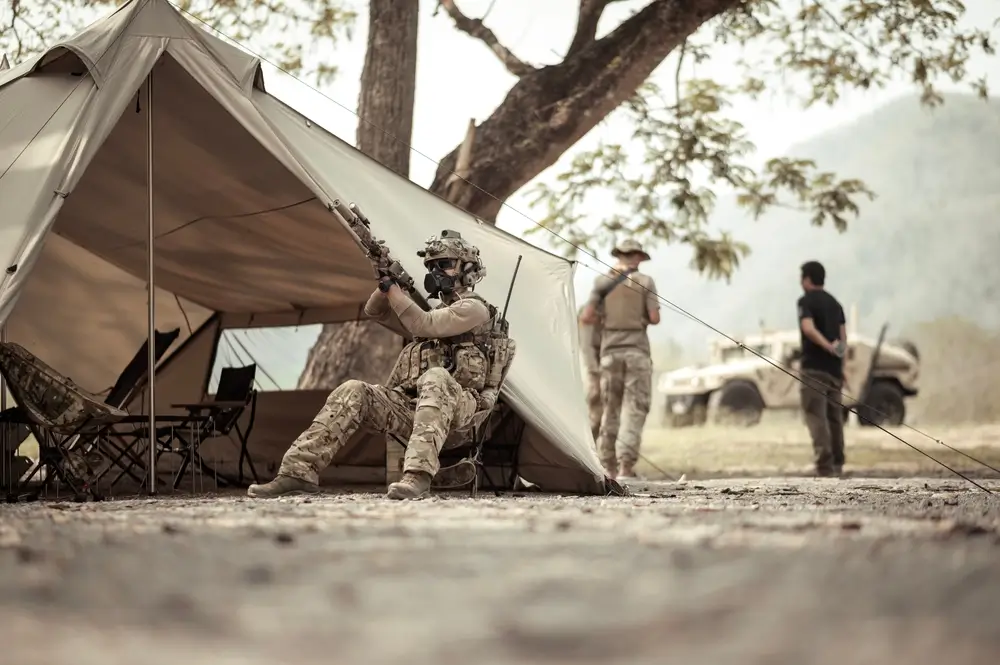
The NZ Army fields three reserve battalions within the Royal New Zealand Infantry Regiment (RNZIR). The Army structure page places 2/4 Battalion across the South Island, 3/6 Battalion in the north of the North Island and 5/7 Battalion in the south of the North Island.
| Current Status | Battalion Designation | Type |
|---|---|---|
| 1st Battalion | 1 RNZIR | Regular |
| 2/1st Battalion | 2/1 RNZIR | Regular |
| 2nd/4th Battalion | 2/4 RNZIR | Reserve |
| 3rd/6th Battalion | 3/6 RNZIR | Reserve |
| 5th/7th Battalion | 5/7 RNZIR | Reserve |
An NZDF Official Information Act release breaks these down further: 2/4 Battalion consists of Alpha, Bravo and Charlie companies; 3/6 Battalion of Northland, Auckland and Hauraki companies; and 5/7 Battalion of East Coast, Wellington and West Coast companies. Module 1 runs in Auckland, Wellington or Christchurch, Module 2 at Waiouru Military Camp, and Reserve role pages list locations as “various” because your unit depends on the role and where you live.
Fitting Reserve service around work, study and family
The Reserve is built to coexist with a civilian career, but honesty about the load matters. The heaviest period is at the front: 38 residential days at Waiouru is not something you squeeze into weekends. NZDF says recruits receive a briefing before arriving at Waiouru precisely so they can talk to their employer and prepare family for the time away.
Being open with your employer is the practical difference between a workable arrangement and a strained one. The leave-without-pay entitlements exist, but they still require notice and planning, and employers of Reserve Force personnel are invited to visit exercises to see what their staff are doing.
The return on that time is real. Company Sergeant Major Staff Sergeant Mike Halliday summed it up this way:
“On completion of training, recruits find many of the skills are directly transferable to their civilian employment – leadership, time management and resilience are skills useful in any occupation.”
Beyond leadership, the Defence Employer Support Council lists communication, time and resource management, problem-solving under pressure, teamwork, self-discipline, confidence, fitness and a wider professional network as attributes reservists carry back into civilian workplaces.
A simple way to decide: if you can reliably give one weekend a month, an occasional weeknight, a block of five to 10 days for the annual exercise, and a substantial run of leave for initial training, the Reserve fits. If any of those four is impossible in the next year or two, wait until it is not.
Next step: check the current entry requirements and Module 1 dates for your region on Defence Careers, then have the conversation with your employer or course coordinator before you apply, since the initial training block is the hardest part to schedule.
Frequently Asked Questions
What are the Army Reserves in New Zealand?
The Army Reserve Force, formerly the Territorial Force, is the part-time component of the New Zealand Army. It supplements the full-time Regular Force while letting members keep their civilian employment or studies. Reserve positions are paid part-time roles.
What do NZ Army Reserves do?
Reservists apply military skills in civil emergencies and on overseas operational deployments, and they augment Regular Force units at home and abroad. Depending on the role, that can mean infantry, engineering, medical, logistics or other specialist work.
Do Army Reserves get paid in NZ?
Yes. Reserve service is paid part-time employment. The Reserve Infantry role page lists a minimum daily rate of $252 including holiday pay, and the NZDF contributes 4% to KiwiSaver on top of your personal contribution.
How much do NZ Army Reserve soldiers get paid per day?
Published initial rates vary by role: $252 a day for Reserve Infantry and $284.00 a day for the Reserve Officer pathway. Official pages state that remuneration increases with promotion and seniority.
How much is Army Reserve pay per month?
There is no published monthly salary. Reservists are paid a daily rate, so monthly earnings depend on how many days you serve, in what role and at what rank. The published commitment is a minimum of 20 days per year, not a fixed monthly figure.
Can someone aged 40 or 55 join the NZ Army Reserves?
The Reserve entry page requires applicants to be at least 18 by the time they graduate from the recruit course, and the general NZDF eligibility page accepts applications from age 17. Neither states a maximum age, so 40 or 55 is not ruled out. Fitness, medical, security and role requirements still apply.
Are the NZ Army Reserves hard to get into?
You still have to meet medical and fitness standards, education requirements and security clearance criteria. NZDF reporting confirms candidates undergo aptitude tests, interviews and academic record checks, so Reserve service is not a no-test alternative to full-time entry.
How long do you stay in the NZ Army Reserves, and how many days do you train?
Reserve service is an ongoing part-time career rather than a course with a set end date. Initial training is approximately seven weeks across three stages, followed by ongoing training that normally includes one weekend a month and a minimum of 20 days a year.
Is it worth joining the Army Reserve while working or studying?
It suits people who want military experience without giving up civilian employment or study, but the commitment goes beyond occasional weekends. Initial training is intensive and requires real time away from work or university, while the service builds transferable leadership, time management and resilience skills.
How do I find my NZ Army Reserve unit?
Official NZDF material identifies three Reserve infantry battalions: 2/4 Battalion covering the South Island, 3/6 Battalion in the north of the North Island and 5/7 Battalion in the south of the North Island. Module 1 is delivered in Auckland, Wellington or Christchurch, but your specific unit depends on the role and location and should be confirmed through current Defence Careers information.
Sources
NZDF Recruitment · Aptitude & Selection 2026Your trade decides which test you sit.Work through NZDF style aptitude questions under time and find out where you actually stand.
NZ Army Infantry: Training, Battalions and Career Paths
NZ Army Pay 2026: Salary, Rank Scales, Allowances & Benefits