Joining the New Zealand Army as an infantry soldier means signing up for the frontline trade. Infantry soldiers are described by the Army as the backbone of Army service, and everything in the role follows from that: sustained fitness, field skills, weapon handling and the ability to keep working in a small team when conditions are difficult.
This guide walks through what the job actually involves, how the training pipeline runs from Waiouru to a battalion posting, how a platoon is built, and where you can go afterwards if you want to specialise in reconnaissance or sniping. It is written for people with little military background who want a realistic picture rather than a recruiting slogan.
 NZDF Recruitment · Aptitude & Selection 2026Your trade decides which test you sit.
Work through NZDF style aptitude questions under time and find out where you actually stand.
What NZ Army infantry actually is
The New Zealand Army describes itself as a combat ready force that is modern, agile and highly adaptive, with a mission to provide land forces trained, led and equipped to win as part of an Integrated Defence Force. Infantry sits at the centre of that. According to the NZDF, the wider organisation is comprised of 15,305 regular force personnel, reserves and civilian employees.
As a rifleman, you are a front line soldier. Defence Careers is explicit that you will be expected to be physically fit and to maintain a high level of both physical and mental stamina throughout your career, operating in a range of different environments around the world. That is not a warning to be brushed past. Stamina in this trade means carrying weight over ground, staying alert when you are tired, and still doing the job properly at the end of a long day.
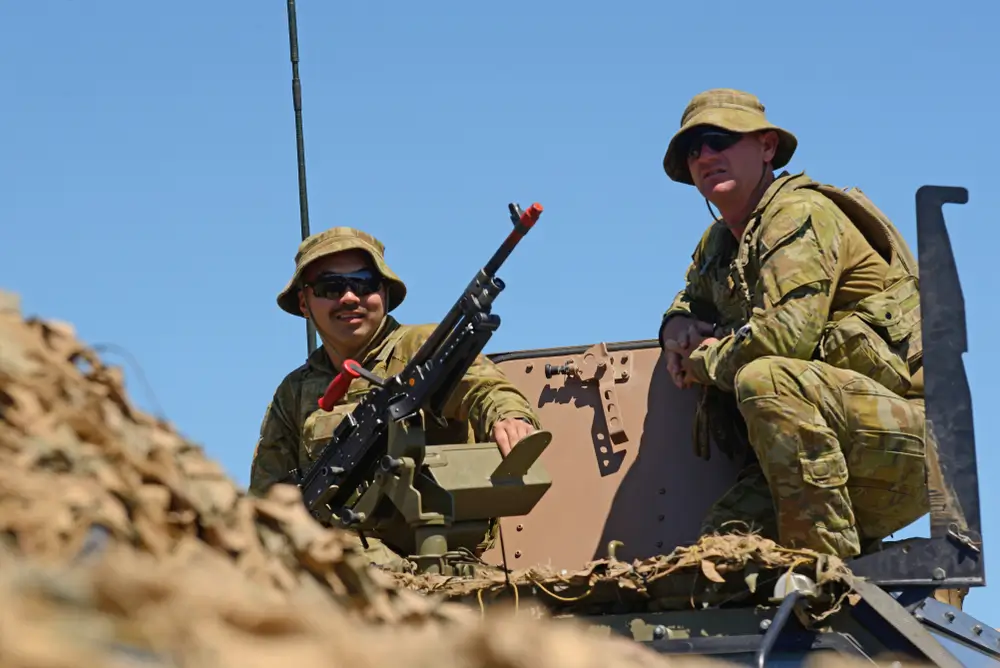
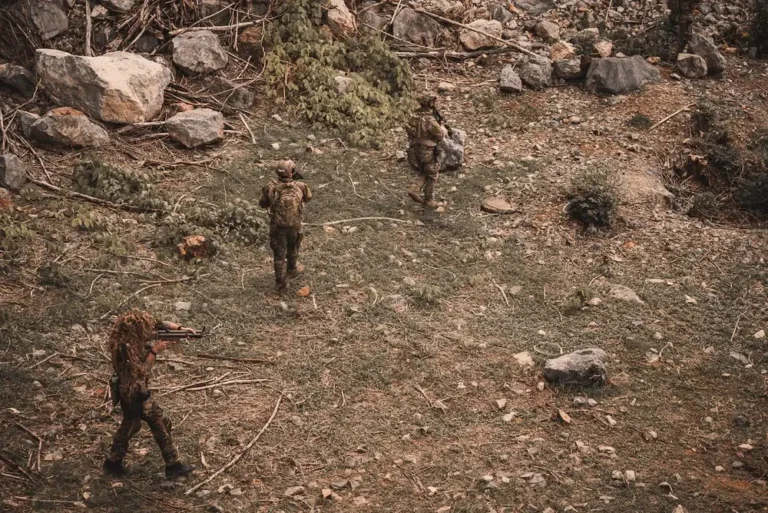
The skill set is broad and hands-on. Infantry training covers navigation, fieldcraft, survival, first aid, weapon handling including live firing, and marksmanship. You work mostly outdoors, in close-knit teams, in a variety of terrain.
One point that surprises many applicants: moments of combat can be few and far between, so much of your time in a combat role is spent preparing yourself and your team. The Army frames that preparation as intense but rewarding. Readiness is the constant, not deployment.
For future intakes, the entry route has shifted slightly. Defence Careers states that you will join the Army as a Combat Specialist, be introduced to the strategy and skills for combat, then branch into Infantry, Gunner or Armoured soldier towards the end of basic training.
What a rifleman does day to day
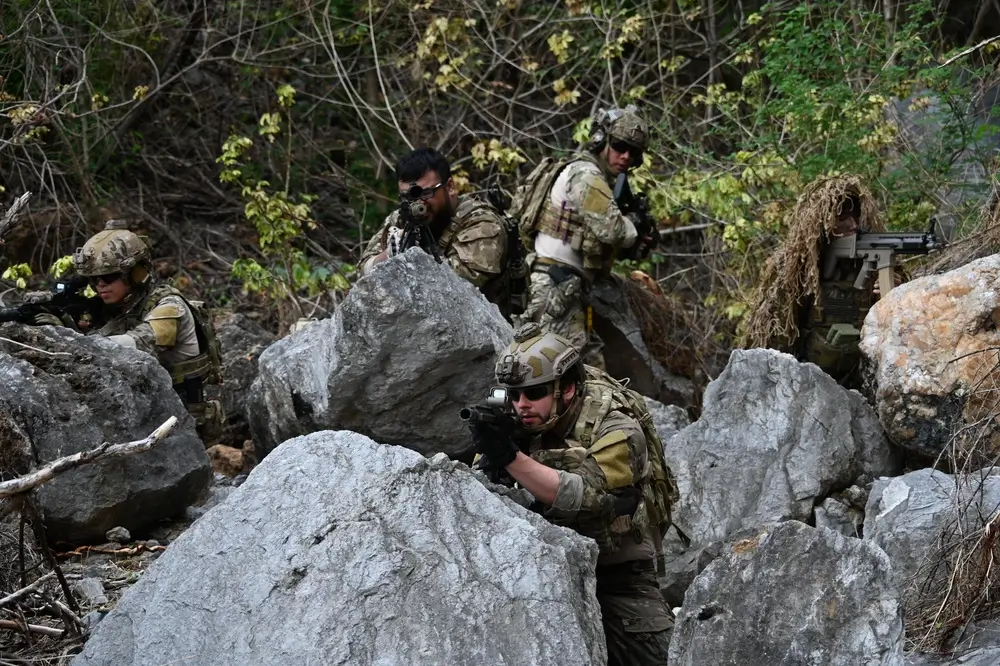
Most days are training days. A section rehearses drills, cleans and checks weapons, prepares kit, then goes back out and does it again under harder conditions. That repetition is the point: it is what turns a group of individuals into a team that can move and shoot together without long conversations.
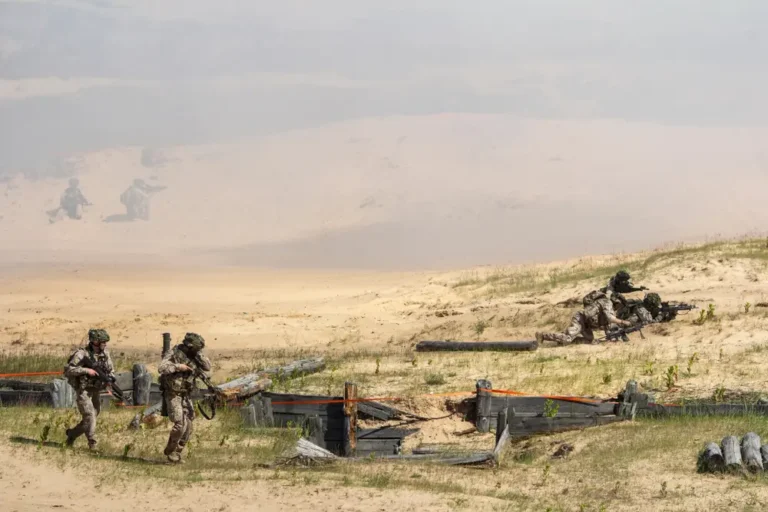
Terrain variety is a real feature of the job. NZ Army infantry training has taken soldiers into dense jungle, urban environments and close-country terrain, which builds the habit of adapting technique to ground rather than applying one template everywhere.
The line between training and operations can also move quickly. During Exercise Vella La Vella, 2/1 RNZIR’s Alpha and Bravo Companies were developing amphibious boating operations and sustained close-country skills when their training shifted to a live operational posture. Priorities changed on receipt of activation orders, the team was withdrawn from the West Coast, and mobilisation procedures began back at Burnham Military Camp.
“It is a special unit, with a tight-knit team, a warfighting ethos, and a very strong unit culture.” — Lieutenant Colonel Jerry Mateparae, Commanding Officer, 2/1 RNZIR
Basic training at Waiouru
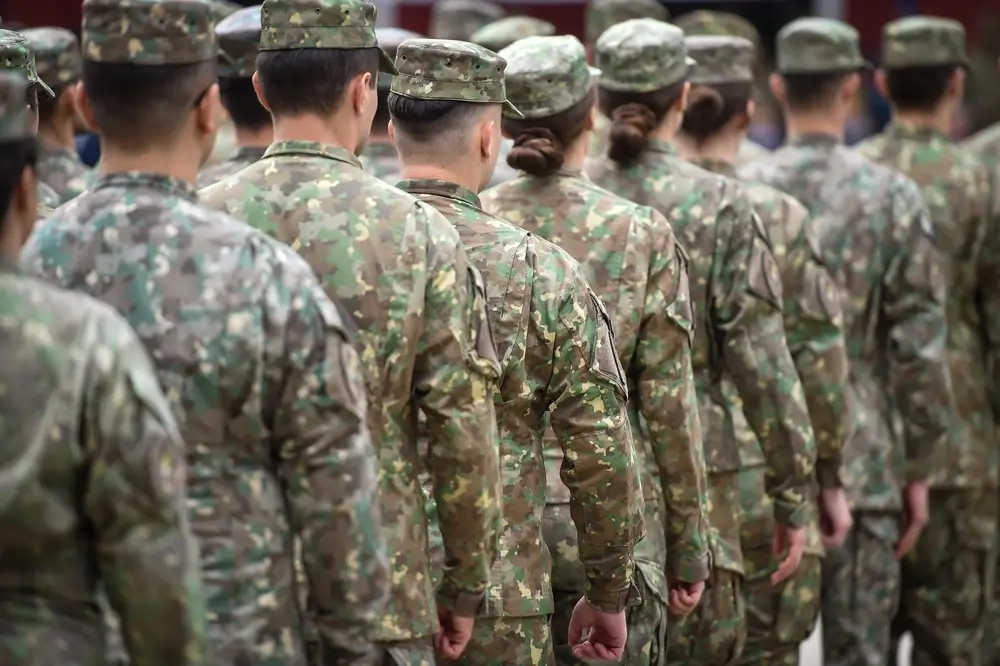
Regular Force basic training runs for 16 weeks at Waiouru Military Camp. Army News, published by the NZDF, followed one intake in which 81 young men and women marched into Waiouru to begin their lives as soldiers.
Recruit Regular Force training, commonly called basic training, gives you the basic skills needed to become a successful soldier. That includes the fundamentals of weapons training, first aid, navigation and lessons on military law. Defence Careers adds Army customs and protocol, physical fitness, drill and parades, military field skills, and organisation and administration to the list.
Not everyone finishes. Those who do march out and head to their respective corps for the next phase. Infantry is selected towards the end of the basic training period, which means your first weeks are about becoming a soldier before they are about becoming an infantry soldier.
Combat Corps Training and the Red Diamond
Combat Corps Training is a 14-week course held at Burnham Military Camp. Its stated aim is to prepare soldiers to operate as an effective member of a rifle section. This is where general soldiering becomes trade-specific: section attacks, patrolling, live firing, and working inside the small-team structure you will serve in.
On completion, soldiers march out as members of the Royal New Zealand Infantry Regiment (RNZIR) and gain the coveted Red Diamond. The Red Diamond is worn on the left shoulder of the dress uniform and marks successful completion of Infantry Corps training and membership of the regiment.
Its history matters to the people who wear it. The Red Diamond traces its origin to 22nd Battalion, 2nd New Zealand Expeditionary Force, which adopted the patch of 9th NZ Infantry Brigade deployed as part of the British Commonwealth Occupation of Japan, known as J Force. In 1963 the 1st Battalion Depot was formed and its Commanding Officer awarded the Red Diamond to personnel who had completed Infantry Corps training. From 1964 it was worn as a dress distinction for personnel posted to 1 RNZIR, and since 2007 the Red Diamond has been recognised as a qualification for anyone who successfully completes combat corps training, regardless of unit or posting.
Inside an infantry platoon and rifle section
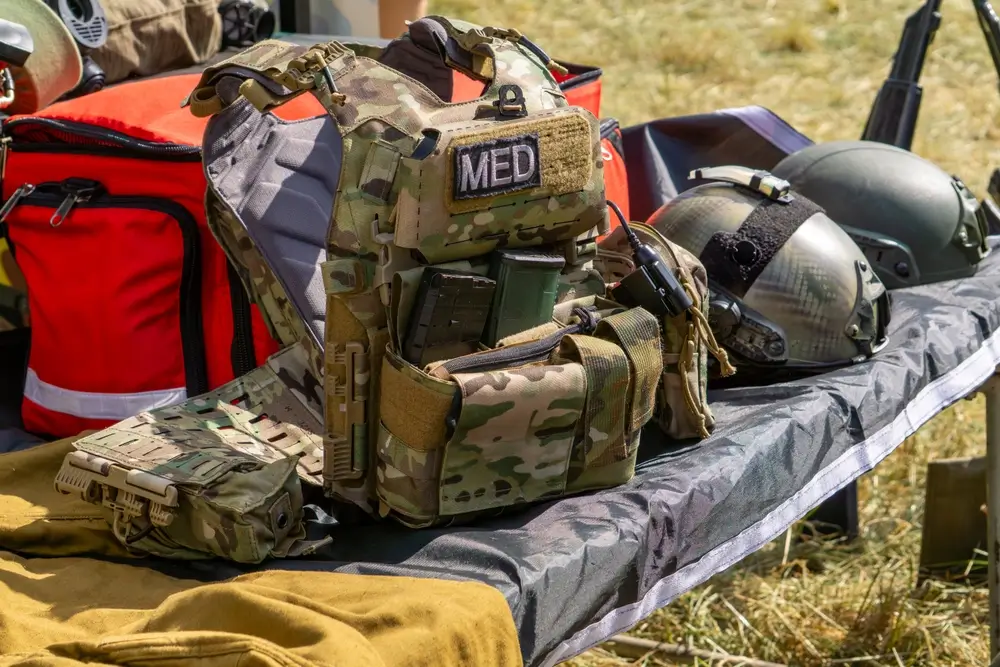
A platoon is the level at which most infantry soldiers experience the Army. It is commanded by a second lieutenant or lieutenant, with a Platoon Sergeant, a Platoon Signaller and a medic where relevant forming the Platoon Headquarters.
Below that headquarters sit three sections of between seven and ten soldiers. Each section is commanded by a corporal, with a lance corporal as section second-in-command. The 2017 rifle platoon organisation, documented by specialist military-structure publications, describes each section as being further divided into two teams led by non-commissioned officers, which spreads responsibility down to the lowest level.
Actual numbers depend on the task. When the NZDF deployed an infantry platoon to the Republic of Korea, that platoon was made up of 35 soldiers.
Weapon handling and fieldcraft at section level focus on marksmanship and disciplined teamwork. Infantry soldiers develop proficiency with standard service weapons from recruit training onwards, learning to operate effectively both in daylight and in challenging terrain where communication and mutual support are essential.
Beyond the section, infantry operations integrate broader support elements. Soldiers and junior commanders learn to coordinate with fire support and motorised transport during collective field exercises, preparing personnel for the combined demands of modern operational deployments.
NZDF Recruitment · Aptitude & Selection 2026Your trade decides which test you sit.Work through NZDF style aptitude questions under time and find out where you actually stand.
The regular infantry battalions: 1 RNZIR and 2/1 RNZIR
The Royal New Zealand Infantry Regiment currently consists of two regular battalions, 1 RNZIR and 2/1 RNZIR, alongside three Army Reserve battalions. After infantry job training, regular soldiers are posted to 1 RNZIR at Linton Military Camp or 2/1 RNZIR at Burnham Military Camp.
| Active | Country | Branch | Type | Size | Garrison/HQ | Motto | March | Commanders | Insignia | Abbreviation |
|---|---|---|---|---|---|---|---|---|---|---|
| 9 January 1947 – Present | New Zealand | New Zealand Army | Light infantry | Five battalions | 1st Battalion – Linton | |||||
| 2/1st Battalion – Burnham | ||||||||||
| 2nd/4th Battalion | ||||||||||
| 3rd/6th Battalion | ||||||||||
| 5th/7th Battalion – Trentham | Onward | 1st Battalion – Quick – Sons of the Brave | ||||||||
| Slow – Scipio | ||||||||||
| 2/1st Battalion – March on – Action Front | ||||||||||
| March past (quick) – The Great Little Army | ||||||||||
| March past (slow) – Scipio | ||||||||||
| March off – Army of the Nile | Colonel of the Regiment | |||||||||
| Major General K.M. Gordon, CBE (Rtd) | 1RNZIR | |||||||||
| 21RNZIR | ||||||||||
| 24RNZIR | ||||||||||
| 36RNZIR | ||||||||||
| 57RNZIR | RNZIR |
2/1 RNZIR comprises close to 400 personnel and five companies and support elements. The battalion is responsible for the high-readiness Motorised Infantry Company Group and the High-Readiness Platoon Group for the NZDF. Those elements are held at a higher level of readiness to deploy into crisis and conflict situations, and are expected to be better trained, better disciplined, flexible and able to deal with a wide range of situations and environments, deploying at little to no notice.
At Linton, the structure has changed recently. On 5 December 2025, at a parade attended by Chief of Army Major General Rose King, 1 RNZIR and Queen Alexandra’s Mounted Rifles (QAMR) officially amalgamated. The new unit retains the name 1 RNZIR and is organised as a Motorised Infantry Battalion, with one of its sub-units retaining the QAMR name.
“The amalgamation of the two units was a deliberate decision made to enhance and better enable the combat readiness of one of our key military outputs – that of a Motorised Infantry Battle Group.” — Major General Rose King, Chief of Army
Major General King described the change as an exciting new chapter for Ngāti Tūmatauenga, the Māori identity of the New Zealand Army. Bringing armoured mobility and dismounted infantry into a single Motorised Infantry Battalion is intended to make the force more agile, adaptable and lethal.
On the reserve side, the regiment’s history includes successive amalgamations. Wikipedia’s documented lineage of the reserve battalions records that further amalgamations occurred on 17 March 2013, reducing the six Territorial Force battalions to three. Those three reserve battalions remain part of the five-battalion structure today.
Training, exercises and deployment readiness
Collective training is where individual skills get tested against a real scenario. Exercise Vella La Vella ran for two weeks and focused on amphibious boating operations and sustained close-country skills. The High-Readiness Platoon Group was activated 48 hours into the close-country phase, which is a useful illustration of how little warning the system is designed to work with.
Overseas training builds a different kind of capability. A 35-soldier NZ Army infantry platoon deployed to the Republic of Korea for a 90-day mission of training and activities with Korean and United States forces. The NZDF has been deploying personnel to the United Nations Command and its Military Armistice Commission since 1998, but this was the first time a combat-ready infantry platoon was sent to work alongside Republic of Korea Armed Forces and US Army units. A second deployment is planned for the following year.
“After three months, the troops will be more familiar with their counterparts’ techniques and tactics, enhancing their ability to integrate into a coalition warfighting environment.” — Brigadier Jason Dyhrberg
Pay and the Army Reserve option
Defence Careers lists the salary for an Infantry Combat Specialist while under training as $69,833 a year, with potential earnings of $100,996. Those figures cover the regular force pathway, where you are a full-time soldier from day one.
The Army Reserve route works differently. Reserve Infantry soldiers train across combat skills in the application of force, both lethal and less lethal, in a variety of terrain, working mostly outdoors in close-knit teams. The skills taught mirror the regular trade: weapon handling including live firing, navigation, first aid, field craft and survival training, alongside building fitness, strength, endurance and stamina.
Reserve initial training is delivered in three stages totalling approximately 7 weeks. Module 2 Basic Training is a 38 days residential course, followed by a further two weeks of residential Corps Training. That structure lets you qualify without leaving civilian employment permanently.
| Initial Daily Rate |
|---|
| $252 |
The NZDF notes that this daily rate includes holiday pay, that it also pays 4% KiwiSaver on top of your personal contribution, and that remuneration increases with promotion and seniority.
Progression beyond the rifleman role
After infantry job training, soldiers move into battalion service and start building experience. Progression from there can include promotion, command appointments, and later instructor roles at Army training organisations. In practice, the first step up is usually leading a small team inside a section.
The officer pathway is based on leadership potential. As a Platoon or Troop Commander you are responsible for the training, discipline, welfare and culture of your platoon, working with an experienced Senior Non-Commissioned Officer who mentors you on the job. Defence Careers lists the key responsibilities as conducting training and maintaining personal competency, enforcing Army discipline and standards, designing and delivering tactical exercises, managing welfare and administration, mentoring soldiers and junior officers, continuing education through Army courses, and commanding troops during exercises and deployments.
Career trajectories vary widely. Lieutenant Colonel Jerry Mateparae began his Army career in 2006 with a first posting to 2/1 RNZIR, later served in special operations, and has deployed on three overseas operational missions to Timor-Leste, Afghanistan and the Middle East. He is a graduate of the United States Army Command General Staff College at Fort Leavenworth and has said the NZDF’s investment in his education still surprises him. Education and courses are presented by the NZDF as part of the long-term professional path, not an optional extra.
Specialising: reconnaissance, sniping and the NZSAS pathway
Specialist infantry roles are earned, not chosen at the recruiting office. Reconnaissance and sniping follow initial rifleman service and demonstrated capability. The described pathway starts with becoming proficient as a rifleman, may run through reconnaissance, and then leads towards sniper training.
Reconnaissance work centres on observing and reporting, stalking objectives, judging distances and operating in very small teams. The Army’s published material does not set out a complete reconnaissance platoon job description, so treat this as the general shape of the work rather than a full task list.
Sniping is a demanding trade, and the NZDF is candid about the standard.
“It almost goes without saying that the ability of a marksman to remain undetected is a fundamental skill, but it’s so much more than just being able to move around stealthily – it’s the meticulous planning before you go into the field, it’s knowing every detail of your target’s movements and routines, it’s setting up decoys and employing deception techniques, and ultimately the need for incredible resilience and mental toughness to stay focused in all sorts of conditions, often isolated by yourself.” — Soldier X, NZ Army sniper
Patience, deception and precision are the attributes the Army names first for a sniper. It may be days, weeks or even years of training and waiting before a sniper team gets the opportunity to execute a mission, so the moment cannot be missed.
The numbers show how selective the specialisation is. A 2022 NZDF report stated that the Army qualifies, or badges, fewer than 10 snipers per year, partly because the Unit Snipers course carries a high failure rate. Developing existing sniper operators into supervisors therefore matters. The Sniper Supervisor course runs for six weeks and prepares experienced Corporal sniper operators to select, train, assess and develop others in both infantry and special forces units. Six Sniper Supervisor courses have been held over 15 years.
“Students plan and conduct sniper badge testing of unit sniper courses, employ sniper teams in a tactical environment, design sniper continuation training and plan and conduct sniper live firing activities.” — Warrant Officer Class Two Taniela Jonson
Because a qualified sniper works with constantly evolving equipment, continuation training after badging is treated as essential rather than optional. That is one reason the supervisor role exists at all: a small sniper community needs people who can keep standards current.
The NZSAS sits in a different place again. It is managed within the Army’s Special Operations Component Command and is a separate special operations destination, not an infantry entry trade. NZSAS selection is not something you apply for at enlistment. Infantry service is a reasonable foundation for anyone with NZSAS ambitions, because it builds field skills, fitness and small-team discipline, but it guarantees nothing. The Army’s published material does not include a full NZSAS selection scorecard, so anyone planning that route should treat rifleman competence as the immediate goal and NZSAS as a later question.
Your next step
If the infantry appeals, the practical move is to test yourself against the physical demands now, before you apply. Sustained load carriage, running, and general endurance are the areas that decide whether 16 weeks of basic training and 14 weeks of Combat Corps Training feel hard or unmanageable.
Then decide which pathway fits your life. Full-time regular service means Waiouru, then Burnham, then a posting to 1 RNZIR or 2/1 RNZIR. The Army Reserve route means roughly seven weeks of initial training and part-time service alongside civilian work. Both lead to the same core infantry skill set, and both start with the same conversation at a Defence Careers office.
Frequently Asked Questions
How many infantry battalions are in the New Zealand Army?
The RNZIR currently has five infantry battalions: two regular battalions, 1 RNZIR and 2/1 RNZIR, plus three Army Reserve battalions. The regular rifleman pathway runs through 1 RNZIR at Linton and 2/1 RNZIR at Burnham.
What do infantry do in the Army?
Infantry soldiers are frontline troops who train to operate in varied environments as part of close-knit teams. Their preparation covers fieldcraft, navigation, first aid, survival, physical fitness and marksmanship, with readiness maintained at all times for training and operational tasks.
Is it hard to join the NZDF?
Infantry is demanding. The training requires sustained physical effort, mental stamina and the ability to work effectively in a team, and the recruit plus Combat Corps Training pipeline is structured and intense. Applicants should expect a serious commitment rather than a casual job.
How many soldiers are in a 2 battalion?
There is no single figure that applies to every infantry battalion. The NZDF states that 2/1 RNZIR comprises close to 400 personnel across five companies and support elements, while a deployed NZ Army platoon was made up of 35 soldiers.
Is infantry in the New Zealand Army hard?
Yes. Infantry training and service demand high physical and mental stamina, outdoor work, field skills and the ability to keep performing across different environments and conditions. The Army also describes that training as rewarding and strongly team-based.
Does the New Zealand Army have snipers?
Yes, but sniping is a later infantry specialisation rather than a direct-entry job. A soldier normally builds experience as a rifleman, may progress through reconnaissance or other specialist infantry opportunities, and then undertakes the relevant sniper training.
What are the requirements to be a sniper in the Army?
The Army does not publish a complete eligibility checklist for the sniper specialisation. What is clear is that candidates must first establish themselves as capable riflemen, and that the qualities required include patience, precision, detailed planning, resilience and the ability to remain undetected.
Can I join the New Zealand Army as a sniper?
Not as a direct-entry trade. The stated path is to join as a rifleman, develop capability in infantry service, then compete for specialist opportunities such as reconnaissance and sniping.
How hard is it to get into the NZSAS?
The NZDF does not publish a full selection scorecard, but it is clear that NZSAS is a separate special operations destination reached after developing as a soldier, not an entry-level infantry trade. A rifleman can treat infantry service as a possible foundation, never a guarantee of selection.
What does a reconnaissance platoon do?
Reconnaissance sits among the specialist infantry opportunities that follow rifleman service. The related skills include observing and reporting information, stalking objectives, judging distances and operating in small teams, though the Army has not published a complete reconnaissance platoon job description.
Sources
NZDF Recruitment · Aptitude & Selection 2026Your trade decides which test you sit.Work through NZDF style aptitude questions under time and find out where you actually stand.
NZ Army Pay 2026: Salary, Rank Scales, Allowances & Benefits
NZ Army Reserves: Training, Pay and Time Commitment Explained