
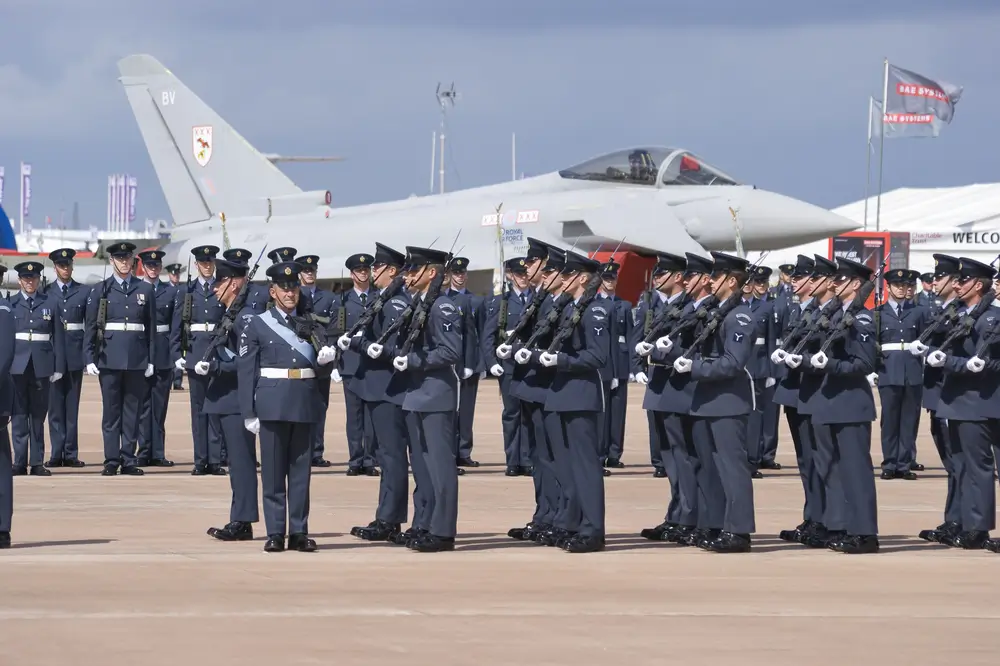
If you are looking at joining the Royal New Zealand Air Force, one of the first practical questions is simple: how long is basic training, and what actually happens during it? The answer sets the tone for everything that follows, from your first weeks in uniform to the trade training that shapes your career.
This guide covers the length of RNZAF Recruit Training, where it takes place, the skills taught, why the course feels demanding, and what happens after you graduate. Everything here draws on the official NZDF and Defence Careers training pages, so you can plan around facts rather than rumours.
 NZDF Recruitment · Aptitude & Selection 2026Next step in the process: the aptitude test.
See the format, the sections and the timing, then practise until the clock stops mattering.
What RNZAF Recruit Training Is Designed to Do
The purpose of RNZAF initial training is straightforward. According to the New Zealand Defence Force, it is designed to take a person from civilian life to a competent and self-disciplined member of the military, while confirming that person is suited to life in the Air Force.
That second part matters more than most applicants expect. New recruits may already have passed the aptitude tests and hold the right qualifications, but the NZDF is clear that after signing on the line, the Air Force still needs to confirm that recruits are suitable for a career in military air operations. The course works both ways: you are being assessed, and you are also deciding whether this life fits you.
Initial training is also where you meet the culture. The NZDF describes this stage as the point where personnel get to grips with the ethos and values embedded in Air Force culture, and become familiar with listening to detail, following instruction and working as part of a team. Those stated RNZAF values are Tū Kaha for courage, Tū Tika for commitment, Tū Tira for comradeship and Tū Maia for integrity.
Behind all of this sits an operational reason. The NZDF points out that its people may have to do their job in adverse conditions, at a moment’s notice, handling some of the most advanced technology in the world. Rigorous recruit training is the foundation for that level of readiness.
How Long Is Basic Training for the Air Force in NZ?
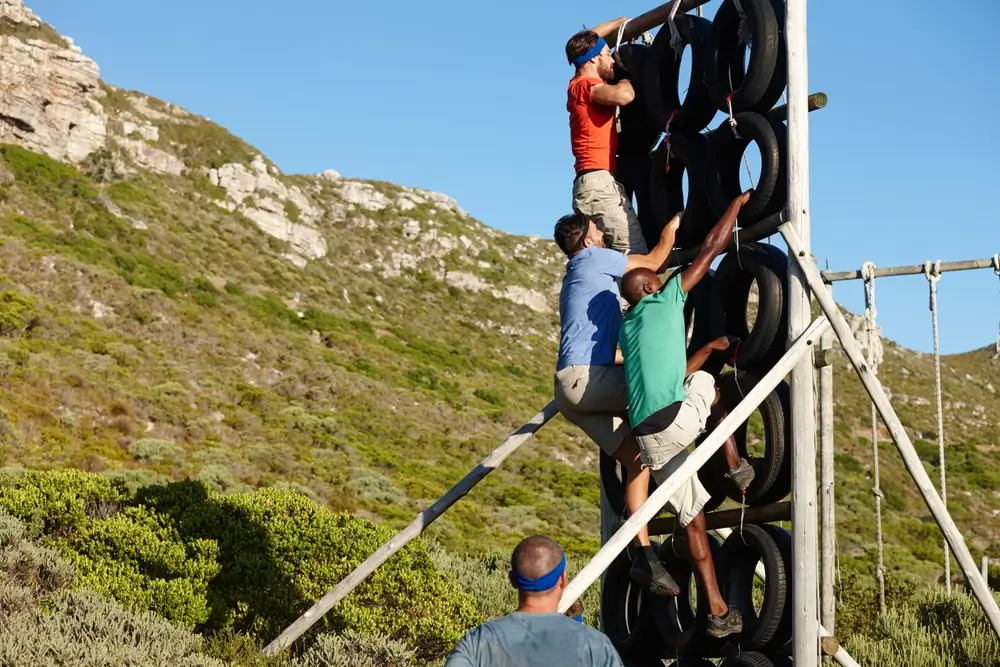
RNZAF Recruit Training runs for 12 weeks. Defence Careers states this clearly for airmen entering the Air Force, and the course is held at RNZAF Base Woodbourne, near Blenheim.
The NZDF description of the recruit course, published in 2021, notes that it happens twice a year and that recruits are divided into two flights during the training. Intake dates and role availability change over time, so the current schedule is worth confirming directly with Defence Careers before you plan around a specific start month.
RNZAF Base Woodbourne is where both recruit and officer training courses are conducted. If you are joining as an airman, that is your starting point. Officers follow a different pathway: Defence Careers describes the RNZAF Officer Commissioning Course (ROC) as a 19-week programme, also delivered at Woodbourne. So when people ask how long air force basic training is in New Zealand, the honest answer depends on your entry route.
| Course | Length | Location |
|---|---|---|
| RNZAF Recruit Training (airmen) | 12 weeks | RNZAF Base Woodbourne |
| RNZAF Officer Commissioning Course (ROC) | 19 weeks | RNZAF Base Woodbourne |
For context, other services run longer initial courses. The NZDF states that the Royal New Zealand Navy holds two 15-week Basic Common Training courses each year, with around 100 recruits per intake, plus two 22-week Junior Officer Common Training courses involving around 30 recruits at a time. Twelve weeks in the Air Force is intensive, but it is not the longest initial course in the NZDF.
What Recruits Learn During Basic Training

The published RNZAF recruit curriculum on the Defence Careers site covers RNZAF values and ethos, organisation and customs, drill, field skills, weapon training, first aid, search and rescue, and physical fitness. It is a broad mix of classroom learning, practical work and physical conditioning.
The NZDF adds that both the recruit and officer courses include the core military skills of weapons training, first aid, navigation, and lessons on military law. Weapon handling and first aid are not optional extras; they are baseline competencies for anyone in uniform, regardless of the trade you end up in.
Drill deserves its own mention because newcomers often underestimate it. The NZDF explains that drill and parade ground training teach people to think and work as a team and to complete instructions quickly and correctly. That muscle memory matters in an emergency, when reacting quickly and without hesitation to a superior’s command may save a life.
The overall aim, as the NZDF frames it, is the ability to perform tasks within a unit or squadron under leadership direction, including in challenging situations. Field skills, navigation and physical fitness all feed into that outcome rather than existing as standalone modules.
Discipline, Teamwork and Working Under Pressure
Recruit training builds military discipline in a controlled environment. The NZDF describes recruits learning to develop teamwork and support each other while under stress, becoming accustomed to following orders, military discipline and moving with urgency.
Self-discipline shows up in small, constant details. That includes learning how to care for and clean uniforms, meeting standards without being reminded, and paying attention to instruction. These habits look minor from the outside, but they are the daily texture of the course.
The physical side is real too. The NZDF says recruits become fitter and stronger during the 12 weeks and learn to bond through shared hard work. Teamwork is not a slogan here; it is the mechanism by which a flight gets through the harder days.
There is a personal payoff. As personnel progress through recruit or officer training, the NZDF notes that they develop confidence, self-esteem and self-respect. Most people finish the course noticeably different from how they started.
NZDF Recruitment · Aptitude & Selection 2026Next step in the process: the aptitude test.See the format, the sections and the timing, then practise until the clock stops mattering.
Is RNZAF Basic Training Hard?
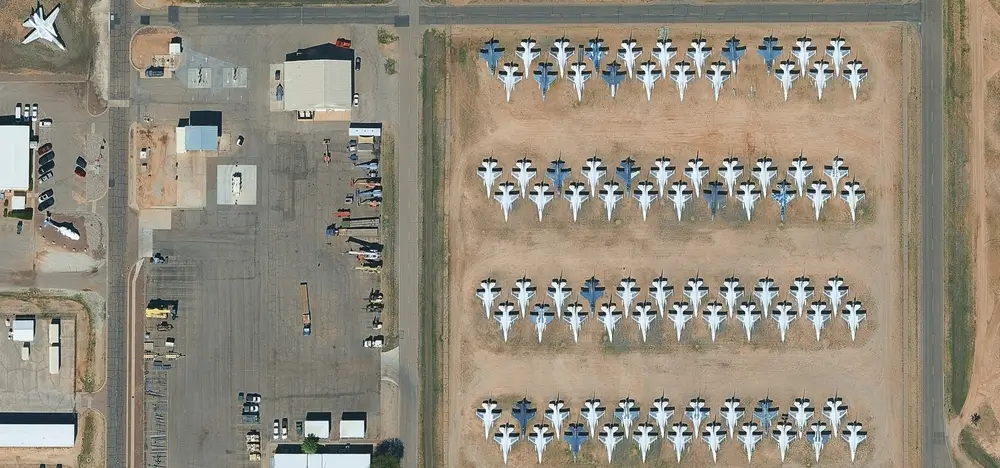
It is demanding, but it is structured. Nothing in the official course descriptions suggests a course designed to break people; the stress is controlled and the intent is to build capability.
The difficulty comes from several directions at once. You are adjusting to military discipline, meeting fitness expectations, absorbing practical skills like weapon handling and first aid, sitting lessons on military law, and doing it all on someone else’s schedule. Each element is manageable alone. Together, over 12 weeks, they add up.
Recruits often ask which part is hardest. The official NZDF material does not designate one. What it highlights is adapting to controlled stress, following orders quickly, keeping self-discipline and uniform standards, and sustaining shared physical effort. Which of these feels toughest depends entirely on the individual: a fit recruit may struggle with attention to detail, while a naturally organised one may find the physical conditioning harder.
On failure rates, the official NZDF and Defence Careers training pages do not publish a number or percentage for recruits who do not complete RNZAF Recruit Training. They only explain that the course confirms suitability for military air operations. If attrition figures matter to your decision, ask a Defence Careers recruiter directly.
Family contact is another common question with no published answer. The RNZAF course descriptions do not set out a standard phone or visit policy during recruit training. What is confirmed is that the course ends with a graduation ceremony and parade in front of family and friends. Your recruiter can tell you the current communication arrangements for your intake.
Graduation and the Move into Trade Training
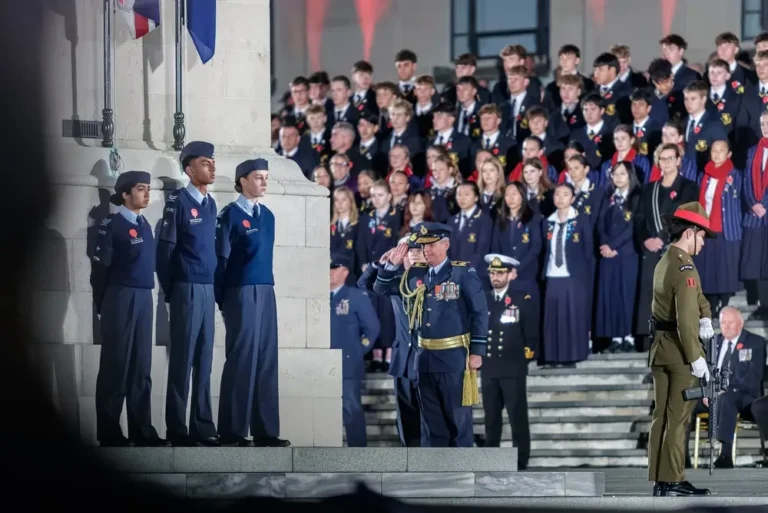
Recruit training concludes with a graduation ceremony and parade. Family and friends attend, and Defence Careers notes that some graduates receive awards for academic and practical achievements.
Graduation is a milestone rather than an endpoint. Defence Careers is explicit that everyone starts their career by getting to grips with military culture during initial training, then moves into specialised training for their chosen trade and career. That trade training is where you build the technical skills for your specific role.
The range of destinations is wide. The NZDF lists trades spanning medical, engineering, navigation, combat, intelligence and flying, all supported by the training, education, tools and equipment needed to become fully effective in the field.
What Happens After Basic Training
Development continues well past your first year. Defence Careers describes ongoing learning that can include on-the-job experience, tertiary study, or attending any of the many courses relating to your trade and Service.
Qualifications are part of the package. Defence Careers states that personnel receive world-class training, sharpen their skills and gain industry-recognised qualifications, with opportunities for sponsored study throughout a career.
There is also a formal study support scheme. All full-time personnel are entitled to access the Voluntary Education Study Assistance (VESA) scheme, which provides financial assistance for part-time study toward a Level 4 or higher qualification on the New Zealand Qualifications Framework (NZQF). According to Defence Careers, you can apply for VESA once you have completed one year of service.
For anyone weighing up a Defence career against a civilian one, VESA and the NZQF-recognised qualifications are worth factoring in. They mean the specialised education you gain in uniform carries recognised value.
How to Prepare Before You Arrive at Woodbourne
Preparation starts long before your first day. The NZDF’s account of recruit life assumes that new arrivals have already passed the aptitude tests and hold the right qualifications when they walk into RNZAF Base Woodbourne. Selection comes first; recruit training then confirms suitability.
For officer applicants, published eligibility guidance sets out a minimum age of 17 to apply, with candidates needing to be 18 at the completion of basic training. The stated academic baseline is NCEA Level 2 with 18 credits in English, maths and science, while NCEA Level 3 is required to enter tertiary training for Air Force officer types other than air warfare officer or pilot. Requirements vary by role and can change, so check the current criteria for your target trade with Defence Careers.
Physical readiness is the area most applicants can improve on their own. Physical fitness is a stated component of the recruit curriculum, and recruits are expected to become fitter and stronger during the course. Arriving with a solid base makes the first weeks considerably easier, because you are then adapting to military discipline rather than catching up physically.
The aptitude testing side rewards structured practice as well. If you are working toward the NZDF aptitude test, targeted preparation is the most controllable part of your application. Our NZDF aptitude test preparation guide walks through what to expect and how to train for it: /nzdf-aptitude-test/
Frequently Asked Questions
How long is basic training for the Air Force in New Zealand?
RNZAF Recruit Training lasts 12 weeks and is held at RNZAF Base Woodbourne. The NZDF describes the course as running twice a year, but intake dates and role availability change, so confirm the current schedule with Defence Careers.
Is RNZAF basic training very hard?
It is a controlled but demanding transition. Recruits work under stress, follow orders, move with urgency, become fitter and stronger, and bond through shared hard work. The course is built to develop self-discipline, teamwork and suitability for Air Force life, so it tests far more than fitness alone.
How many people fail RNZAF basic training?
The official RNZAF training pages do not publish a number or percentage for recruits who fail. They explain that the course confirms suitability for military air operations and Air Force life. For current attrition information, ask a Defence Careers recruiter.
Can you talk to your family during RNZAF basic training?
The published RNZAF course descriptions do not set out a standard family-contact schedule or phone policy. They do confirm that family and friends attend the graduation parade at the end of the course. Ask your recruiter about the communication arrangements that apply to your intake.
What is the hardest part of Air Force basic training?
There is no officially designated hardest part. The NZDF highlights adapting to controlled stress, following orders quickly, maintaining self-discipline and uniform standards, and sustaining shared physical effort. Which of these feels hardest varies from recruit to recruit.
Where is RNZAF basic training held?
RNZAF Recruit Training is conducted at RNZAF Base Woodbourne, near Blenheim. The NZDF names Woodbourne as the location for both its recruit and officer training courses.
What happens after RNZAF basic training?
Graduates move into trade training for their chosen specialist field. Further development can include courses, on-the-job learning and sponsored tertiary study. VESA can support eligible part-time study toward a Level 4 or higher NZQF qualification after one year of service.
Do RNZAF recruits learn weapons and first aid?
Yes. Official course descriptions list weapon training and first aid among the core skills, alongside drill, navigation, military law, field skills and physical fitness. The exact mix depends on your training pathway and later specialist trade.
Sources
NZDF Recruitment · Aptitude & Selection 2026Next step in the process: the aptitude test.See the format, the sections and the timing, then practise until the clock stops mattering.
How Long Is Army Basic Training? NZ Army RRF Course Explained
NZ Army Recruitment: Eligibility, Steps and Timeline