
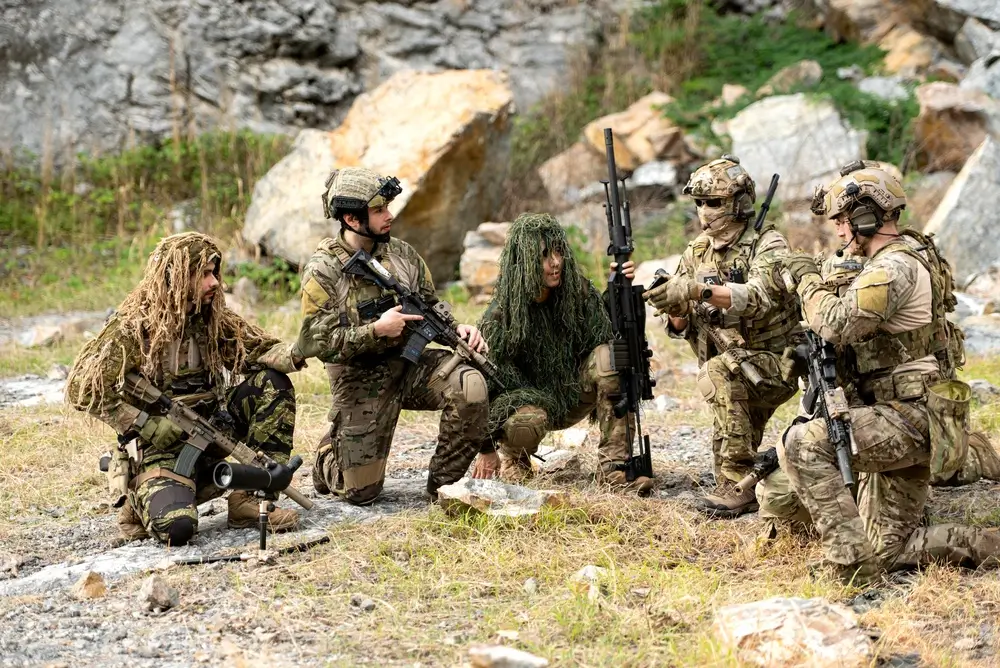
If you are looking at a career with the New Zealand Army, one question comes up before all the others: how long is basic training? The answer is straightforward, and knowing it helps you plan everything else, from time off work to how you prepare physically.
This guide covers the official course length, what the training actually involves, where it takes place, and what happens once you finish. All of it comes from the New Zealand Defence Force and its Defence Careers recruitment portal.
 NZDF Recruitment · Aptitude & Selection 2026Next step in the process: the aptitude test.
See the format, the sections and the timing, then practise until the clock stops mattering.
How Long Is New Zealand Army Basic Training?
The New Zealand Army’s Regular Force Recruit (RRF) course is 17 weeks long. The NZDF states this on its official Army education and training pages, where the course is described as Basic Training for Regular Recruit Force recruits.
Several RRF courses run each year, so intakes are not limited to a single date. That matters if you are working around notice periods, study commitments or family arrangements.
One point worth clearing up: 17 weeks covers the recruit course itself, not your whole training journey. Specialised training in your chosen field comes afterwards, and that stage varies by trade. So if you see figures like 22 weeks or “about three months” attached to NZ Army basic training, they do not match what the NZDF publishes for the RRF course.
What the Regular Force Recruit Course Actually Is

Recruit training is your first experience of Defence Force life. The Defence Careers portal describes it as the point where you meet your new comrades, learn to work as a team, get fitter, and start to understand how the organisation works.
For Army soldiers, the RRF course is that entry point. It gives you the foundational skills needed to become a successful soldier, before you specialise in any particular trade or role.
The opening stretch is less about weapons and more about adjustment. Training starts with getting to grips with Army culture: listening to details, following instructions, and learning how to operate as part of a team rather than as an individual. That shift in mindset underpins everything that follows across the 17 weeks.
Where Basic Training Takes Place
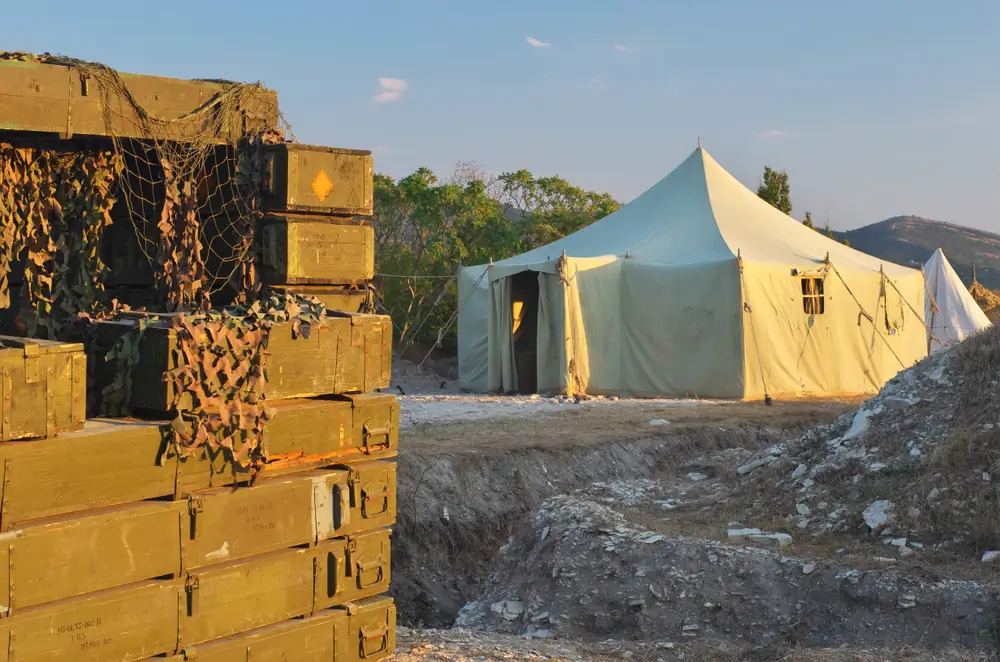
New Army recruits start their training at Waiouru Military Camp in the central North Island. It is the home of Army recruit training in New Zealand, and the surrounding terrain shapes much of the field work.
Life in camp is not purely training hours. Defence Careers notes that personnel working in camp in New Zealand can expect safe and healthy conditions, with facilities available for downtime: a fully equipped gym, a library, and comfortable spaces to relax and use the internet.
Knowing the location in advance is practical information. It tells you how far you will be from home, and it sets expectations about the environment you will be living and training in for the duration of the course.
What Recruits Learn During the 17 Weeks
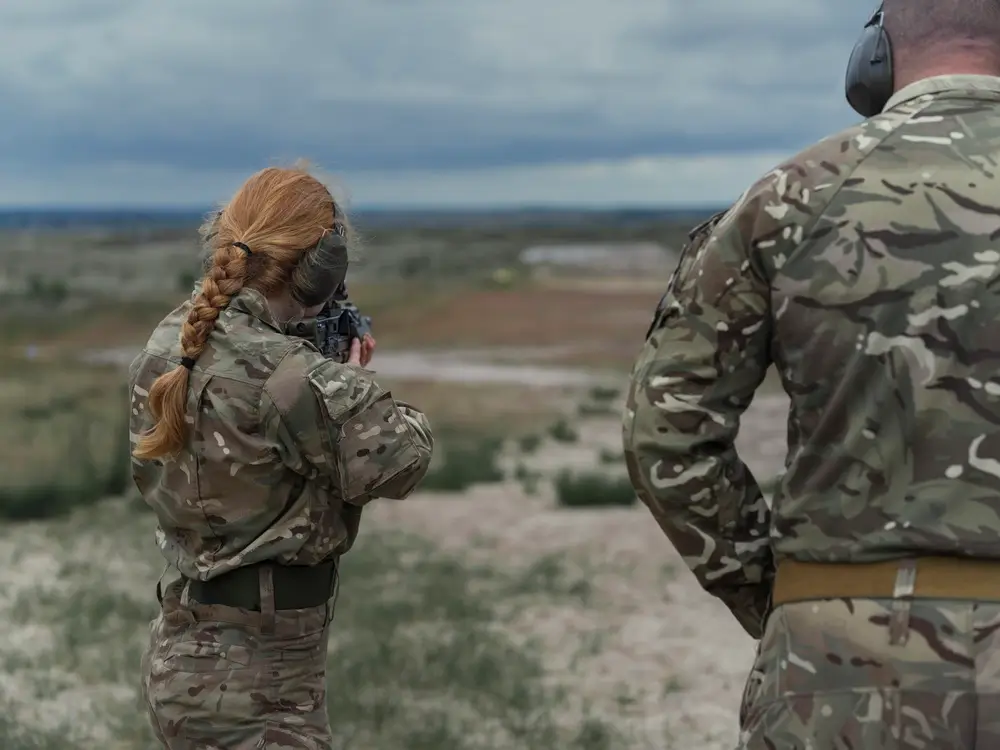
The RRF course builds a core set of military skills from scratch. According to Defence Careers, it covers everything from the fundamentals of weapons training to first aid, navigation and lessons on military law.
The NZDF Army pages list the same essentials in slightly different terms: recruits learn basic skills like weapon handling, first aid and drill. Those four areas are the backbone of the course.
Here is how each element fits:
- Weapon handling and weapons training. The safe, correct and repeatable handling of a service weapon, taught as a fundamental rather than a specialisation.
- First aid. Practical casualty care skills, useful in the field and well beyond it.
- Navigation. Finding your way and moving with purpose in unfamiliar terrain.
- Military law. The rules and obligations that come with wearing the uniform.
- Drill. Precision, discipline and coordinated movement as a group.
Alongside the technical content, recruits get used to working quickly as a team and with urgency to complete tasks. The NZDF frames the goal clearly: developing the ability to perform tasks in the most inhospitable environments, under the direction of a leader, and in a team of people you can rely on.
How the Course Builds Army Culture and Teamwork
Basic training is as much about behaviour as it is about skills. The NZDF describes the early phase as becoming familiar with listening to details and following instructions, which is a genuine change of habit for most people arriving from civilian life.
Working under leadership is the second thread. Tasks are set by a leader and completed as a unit, so recruits learn to take direction quickly and act on it without hesitation.
The third thread is reliance. Recruit training gives you the chance to get to know your comrades and learn to work as a team, which is why so much of the course is built around shared tasks rather than individual performance. By the end, the expectation is that you can depend on the people beside you and they can depend on you.
NZDF Recruitment · Aptitude & Selection 2026Next step in the process: the aptitude test.See the format, the sections and the timing, then practise until the clock stops mattering.
How Demanding Are the 17 Weeks?
Defence Careers is direct about it: this is an intense period of training that demands a lot of you physically. Recruits practise their skills in challenging environments, and the tempo is deliberately high.
There is still time off. The course description says you will get some downtime, including most Sundays, which are kept free to give you personal time and the ability to attend church if desired. Camp facilities are available during free periods.
On whether it is hard to pass, be careful with the claims you read online. The official NZDF and Defence Careers descriptions characterise the course as intense and physically demanding, but they do not publish pass rates, fail rates or completion statistics. Anyone quoting a specific failure percentage for the NZ Army RRF course is not drawing it from these official pages.
The same applies to questions about going home after basic training. The Defence Careers page confirms downtime and free Sundays, but it does not set out home-leave arrangements for the end of the course, so that is a question worth putting directly to a recruiter.
What Happens After Basic Training
The 17 weeks are the start of the pathway, not the end of it. After basic training, personnel move on to become experts in their chosen field.
The NZDF describes this specialised stage as a mix of formal courses, on-the-job experience and sponsored tertiary study. Sponsored part-time study or full-time study is available too, which means trade training can run alongside a recognised qualification rather than replacing it.
The length of this stage depends entirely on the trade you select. A combat engineer, for example, follows a different specialisation path from other Army roles, so there is no single figure that applies across the board after the RRF course.
What You Take Beyond the Course
Training in the Defence Force is built to carry value outside the Army as well. The NZDF says the qualifications its people achieve, plus the life and employment skills they gain, are highly sought after in the civilian world.
Character and resilience are the other half of that. The NZDF describes the skills, character and resilience developed in the Army as valuable to both private and public sector employers.
Defence Careers puts it more plainly for Army life specifically: the two most important things you will learn are discipline and self-belief, and both are skills employers value. That framing is useful if you are weighing a Defence career against a civilian one, because the 17-week course is where those habits start.
Next Steps if You Are Considering the RRF Course
Start with the number itself. Plan around 17 weeks at Waiouru for the Regular Force Recruit course, then a further period of specialised training in your chosen trade before you are working in your role full time.
Use the time before you apply to build fitness. The course is described as physically demanding, and arriving already fit is a straightforward way to reduce the difficulty of the first weeks.
Then speak to a recruiter about intake dates and your preferred trade. Because several RRF courses run each year, the practical question is usually not whether you can join, but which intake fits your circumstances and which specialisation you want to head toward afterwards.
Frequently Asked Questions
How long is NZ Army basic training?
The NZDF lists the Regular Force Recruit (RRF) course as 17 weeks long. This is the New Zealand Army course described as Basic Training for Regular Recruit Force recruits.
How long is army basic training in total?
For the New Zealand Army Regular Force pathway, the initial RRF course lasts 17 weeks. Specialised training follows, so the 17-week figure applies to the recruit course itself rather than to every later stage of training.
Is NZ Army basic training 22 weeks?
No. The NZDF Army source lists the Regular Force Recruit course as 17 weeks, and it does not identify a 22-week RRF course.
Do you come home after basic training?
The Defence Careers description confirms that recruits get downtime and that most Sundays are kept free for personal time and the ability to attend church. It does not spell out home-leave arrangements at the end of the course, so ask a recruiter rather than assuming.
How long is military basic training in New Zealand?
For the NZ Army Regular Force recruit pathway, the RRF course is 17 weeks. The answer depends on the service and pathway, so use this figure specifically for the New Zealand Army RRF course.
What do you do in Basic Military Training?
RRF recruits learn weapons training and weapon handling, first aid, navigation, military law and drill. The course also develops teamwork and the ability to complete tasks quickly and with urgency under the direction of a leader.
Is it hard to pass basic training?
The official course description calls it an intense period of training that demands a lot physically, with tasks practised in challenging environments. No pass or fail criteria and no completion rate are published, so nobody can reliably state how many recruits pass.
Is NZ Army basic training 3 months long?
The NZDF lists the course as 17 weeks rather than describing it as a three-month course. Use the official 17-week figure when referring to NZ Army Regular Force basic training.
What happens after NZ Army basic training?
Personnel move into specialised training in their chosen field. The NZDF describes this as a combination of courses, on-the-job experience and sponsored tertiary study, with both part-time and full-time study available.
Sources
NZDF Recruitment · Aptitude & Selection 2026Next step in the process: the aptitude test.See the format, the sections and the timing, then practise until the clock stops mattering.
Air Force Basic Training NZ: Length, Content and What to Expect
NZ Army Recruitment: Eligibility, Steps and Timeline