
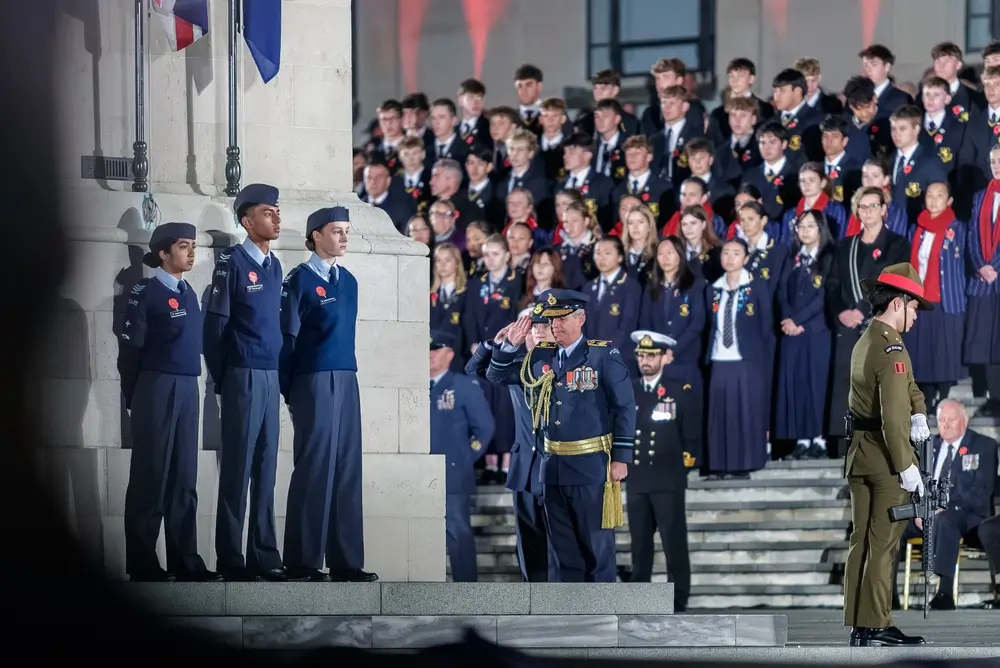
Joining the New Zealand Army is not a quick job application. The New Zealand Defence Force (NZDF) says the military application process is more comprehensive than a typical recruitment process and takes roughly 3 to 6 months from start to finish, because it includes health checks, security checks, assessments and interviews.
This guide walks through that pathway in order: picking an Army role, confirming eligibility, gathering documents, applying online, aptitude tests and Assessment Day, interview, security and medical clearance, then Induction Day and training at Waiouru. Everything below reflects the official Defence Careers guidance for military applicants.
 NZDF Recruitment · Aptitude & Selection 2026Next step in the process: the aptitude test.
See the format, the sections and the timing, then practise until the clock stops mattering.
Start with the Army role and how you want to serve
The Army recruitment pages list a wide spread of role categories, including Ammunition Technician, Armoured (Combat Specialist), Chef (Caterer), Combat Driver, Gunner (Combat Specialist), Infantry (Combat Specialist), Logistics Specialist, Medic, Military Police, Movement Operator and Plant Operator (Heavy Machinery Operator). Across the Navy, Army and Air Force, Defence Careers says there are up to 100 different trades.
Picking the role first matters because entry requirements are attached to the trade, not just to the Service. Some trades have additional age or subject requirements, and some require a residential selection board. The individual trade page is where those extras are listed.
Full-time service is one option, but not the only one. The Army also offers part-time service through the Army Reserves (Huihuinga) for people for whom full-time commitment is too much. Reserve initial training runs across three stages and totals approximately seven weeks: Module 1 is a two-day introduction to Army and Reserve Force service, Module 2 is 38 days of residential Basic Training at Waiouru Military Camp, and Corps Training is equivalent to a 14-day commitment. After that, the minimum expected Reserve commitment is 20 days per year.
The recruitment pathway itself follows eight stages, from gathering documents through to joining an intake. Once you submit online, you are paired with a Candidate Engagement Facilitator (CEF), the candidate coordinator who supports you through the journey and answers questions along the way.
Check your eligibility before applying
Before anything else, confirm you meet the baseline criteria. Defence Careers sets these out clearly for every NZDF career.
You need to be medically and physically fit for military duties worldwide. You must be at least 17 years old to submit an application, and you must have turned 18 years old by the time you graduate from your recruit course. Applicants are preferably free from criminal convictions.
Citizenship and residence status is the other gate. You need to be a New Zealand citizen, an NZ Permanent Resident, or the holder of an NZ residence class visa with indefinite stay. Once enlisted, gaining NZ citizenship as soon as you are eligible becomes your responsibility. The NZDF application gateway also notes that serving military members from the UK, USA, Canada or Australia may be eligible for security clearance.
Education requirements are tailored to each role. Three years of High School is generally required, while specific trades may ask for NCEA Level 2 or higher qualifications such as diplomas or degrees. Where an Army soldier entry pathway is described in secondary-school terms, the base expectation is at least three years of secondary school education, with NCEA subject requirements varying by trade. If you are looking at a trade that publishes an NCEA Level 1 or NCEA Level 2 subject list, treat that page as the authority for your application. A current, clean New Zealand driver licence is recommended.
If you are unclear about any of this, the NZDF advice is to apply anyway. The recruitment team will work through the criteria with you and determine whether you can proceed.
Gather your documents and health information
Document collection is stage one for a reason. The NZDF asks for your academic and work history up front, so pull together your record of learning or academic transcripts and bring your CV up to date before you start.
Within two weeks of applying, you must provide copies of:
- Birth certificate
- NZ Driver licence, if you have one (to support the initial Police check)
- NZ Passport or NZ Citizenship certificate / Residency sticker
- Academic transcripts for all qualifications achieved, high school and tertiary or trade, including subjects and grades
You also complete an initial health and security check to confirm you are fit for service. The medical questionnaire asks for your doctor’s name and contact details, plus details of any past or present medical conditions, including medications, broken bones and operations. Digging out that information early is the single easiest way to avoid delays later.
Register and submit the online application
The application is completed online and guides you through each stage. It starts with a short set of prequalifying questions that check whether you meet minimum entry requirements. This takes a couple of minutes and stops you investing time in a full application if you are not eligible.
Clearing the prequalifying questions lets you create a candidate account, which gives you access to your candidate portal. The portal is where you complete application tasks and upload supporting information and documentation. Initial tasks cover citizenship, education, health and career preferences, and several of them ask for more detail or documents backing up your earlier answers.
After you submit, expect the NZDF team to acknowledge your application within ten working days, by phone or email. Your Candidate Engagement Facilitator takes it from there, providing updates as your file moves forward.
NZDF Recruitment · Aptitude & Selection 2026Next step in the process: the aptitude test.See the format, the sections and the timing, then practise until the clock stops mattering.
Aptitude tests and Assessment Day

Every NZDF military applicant sits aptitude tests and completes fitness testing. The NZDF uses aptitude testing because it provides reliable, objective information about an individual’s ability to perform under training and on the job, which helps identify candidates most likely to succeed in training and early career.
Your CEF contacts you to book the testing, either through remote proctoring or in person at your nearest recruiting office, and passes on what you need to know for whichever option applies. Preparation genuinely helps here. If you want structured guidance on the testing itself, see our page on the NZDF aptitude test.
Assessment Day, known as A-Day, comes next and tests physical fitness. The published Assessment Day beep test minimums for Army applicants are 7.10 for males and 5.09 for females. For comparison, the Navy age-banded table sets 6.10 for males aged 16–29 and 5.01 for females aged 16–29, the RNZAF Physical Training Instructor standard is 9.05, and NZSAS sits at 12.01.
To prepare, Defence Careers points applicants toward Force Fit or group fitness sessions in advance. There is also a six-week challenge in the reference fitness timetable, built to get candidates ready for the demands of initial training. If you are unsuccessful at the fitness stage, the recruitment team discusses further options with you rather than closing the file outright.
Interview, security vetting and medical clearance
Passing the assessments moves you to a formal interview with a member of the recruitment team. If that goes well, you either join the candidate pool to await placement or attend a selection board, which is only required for select trades.
Security vetting is a defining feature of NZDF recruitment. Because the Defence Force is part of New Zealand’s security network, applicants must agree to be subject to vetting by the Defence Force, NZ Police and the NZSIS (New Zealand Security Intelligence Service). The Government’s Protective Security Requirements provides the policy guidance behind this. An initial security assessment during the application checks whether you meet minimum security requirements, and successful applicants complete further vetting to apply for a national security clearance later in the process. An application can be declined as a result of security vetting at any stage, including at enlistment.
Residency history feeds directly into the clearance level. For the stated Confidential Vetting pathways, Defence Careers specifies at least the last five years, or since age 18. For Secret and Top Secret Vetting pathways, the requirement is the last 10 years, or since age 18. That is why the citizenship and residence questions in the portal are asked in such detail.
The Offer of Service is the formal job offer, made once you have passed your initial assessments and interview. It is conditional on full security and medical clearance. A full medical assessment is then carried out by a local approved doctor to confirm you are medically fit for service.
Induction Day, intake and Army training
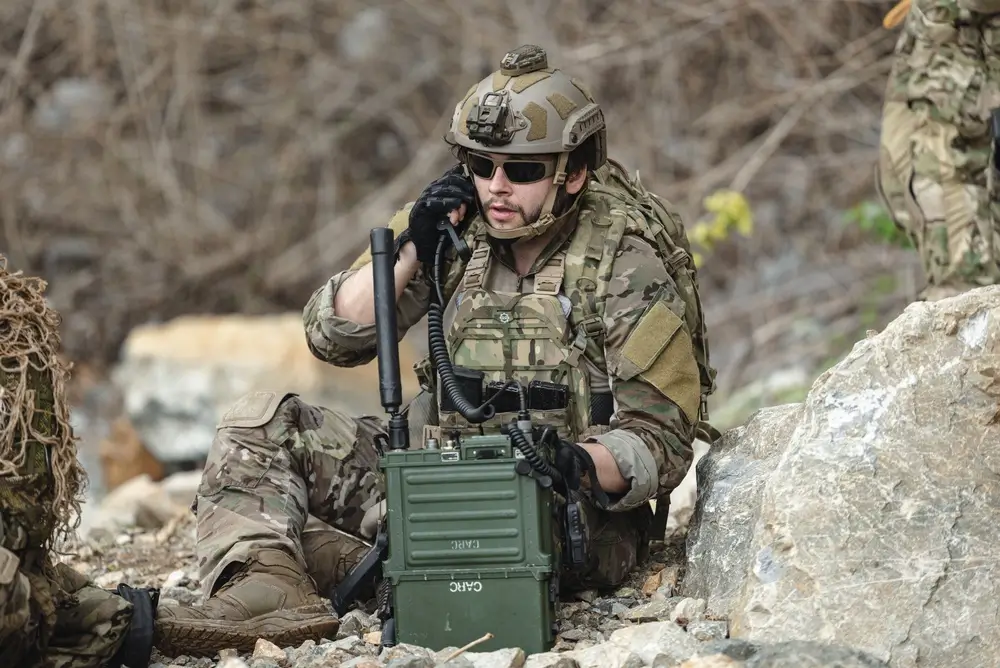
Once clearances are in place, Induction Day is the final pre-joining step. It includes further fitness testing and preparation for your intake. Transport from your hometown to the training location is provided.
For Army applicants, the initial training location is the Waiouru Military Training Area. Regular Force recruit courses run for 17 weeks, according to NZDF. Waiouru Army Camp is also where Army soldier basic training is delivered, described in secondary-education career material as 16 weeks. Because published course lengths differ depending on pathway and entry stream, confirm the exact duration of your recruit course with your CEF once your role is settled.
Corps training follows basic training. This is where you learn the fundamentals of your specific Army trade, whether that is communication systems technician, gunner, logistics specialist or field engineer. The supplied training material does not give one combined total for basic plus corps training, because the overall length depends on the trade you enter.
Intakes have set dates, and your placement depends on availability in your chosen trade. Our NZDF intakes page covers how intake scheduling works.
Pay, timeline and what the recruitment picture looks like
Defence Careers states that NZDF personnel earn a competitive salary while training, with pay rises in line with rank and qualifications. The official Defence Careers material does not publish a current Army-specific salary figure, so confirm the rate for your trade and rank with the recruitment team before you commit.
Development support continues once you are serving. Through VESA, personnel can apply after completing one year of service for support toward part-time study at Level 4 or higher on the New Zealand Qualifications Framework.
On scale, NZDF reports a total of 15,268 regular force personnel, reserves and civilian employees across the three Services and the civilian workforce.
Recruitment volumes and attrition have been under public scrutiny. RNZ reported, based on official information, that total enlistments to September 2024 were 753 across the three Services, with a 2025 recruiting target of 807, and that the rate of personnel leaving had slowed to 7.5% in 2025 from a spike of 15% in December 2022. These figures come from that reporting rather than from Defence Careers guidance, so treat them as context rather than as entry criteria.
Plan for the full 3 to 6 months. Your Candidate Engagement Facilitator is the person to chase for status updates, and NZDF routes recruitment enquiries through its dedicated recruitment channel rather than treating them as general enquiries.
What to do next
The practical first move is short: check the eligibility criteria against your own situation, pick the Army trade you want, then start collecting your birth certificate, passport or citizenship documentation, driver licence and academic transcripts. Those four documents are the ones that slow people down most, and you have a two-week window once you apply.
After that, apply online, complete the prequalifying questions and work through your portal tasks. If you are on the fence about whether you qualify, the NZDF position is unambiguous: apply, and the recruitment team will work through the criteria with you.
Frequently Asked Questions
How much does the NZ Army pay?
Defence Careers says personnel earn a competitive salary while training, with pay rising in line with rank and qualifications. A current Army-specific salary figure is not published in that guidance, so ask the recruitment team to confirm the rate for your trade.
Do you get paid while training in the NZ Army?
Yes. Defence Careers states that recruits earn a competitive salary while training, with pay increases linked to rank and qualifications. No current dollar amount for Army recruits is specified.
Can a 40-year-old join the NZ Army, or is 40 too old?
The eligibility guidance sets a minimum age of 17 to apply and 18 by recruit-course graduation, but no maximum age is stated in that material. If you are unsure whether your circumstances fit, NZDF advises applying so the recruitment team can assess them.
How long is NZ Army basic training?
Army soldier basic training is delivered at Waiouru Army Camp, described in secondary-education career material as 16 weeks, while NZDF states that Regular Force recruit courses run for 17 weeks. The application process identifies Waiouru Military Training Area as the Army’s initial training location.
How long is NZ Army training overall?
Basic training is followed by corps training in a specific Army trade. There is no single published total covering both, so the overall length depends on the pathway you enter.
Is it hard to join the NZDF?
The NZDF describes its process as more comprehensive than a typical job application, taking approximately three to six months and covering documents, assessments, interviews, health checks and security checks. A Candidate Engagement Facilitator supports you throughout.
What are the requirements to join the Army in New Zealand?
You need to be medically and physically fit, meet the minimum age requirement, hold the required citizenship or residence status, have completed the required secondary education, and pass aptitude and fitness tests. A formal interview is also required, and some trades add further requirements or a selection board.
What qualifications do I need to join the NZ Army?
Education requirements vary by role. Three years of high school is generally required, while some trades ask for NCEA Level 2 or higher qualifications such as diplomas or degrees, so check the individual trade page.
How do I apply to, or start joining, the New Zealand Army?
Check your eligibility, gather your documents and apply online. You then complete prequalifying questions and portal tasks, sit aptitude and fitness tests, attend an interview, and move through medical, security, Offer of Service and Induction Day steps, with a Candidate Engagement Facilitator supporting you after submission.
Sources
NZDF Recruitment · Aptitude & Selection 2026Next step in the process: the aptitude test.See the format, the sections and the timing, then practise until the clock stops mattering.

NZDF Interview: How to Prepare Values-Based Answers

NZ Army Basic Training: Waiouru, Weeks and What Happens