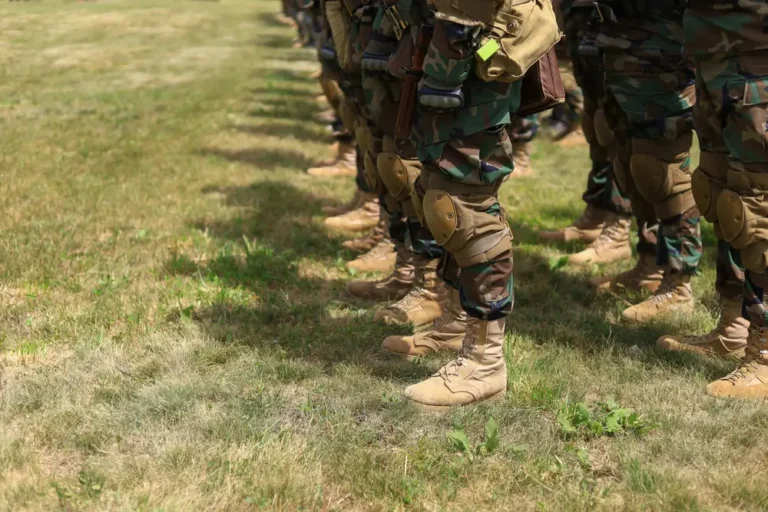

Once your application is accepted, the next question is simple: what actually happens on the course? This guide walks through NZ Army basic training, from arrival at Waiouru to marching out into corps training, and sets it alongside the equivalent courses in the Air Force and Navy so you can see how the NZDF (New Zealand Defence Force) structures initial training.
The focus is on what the official Defence Careers and NZDF training pages describe. Where those pages stop short of a detail, this guide says so rather than filling the gap with guesswork.
 NZDF Recruitment · Aptitude & Selection 2026Next step in the process: the aptitude test.
See the format, the sections and the timing, then practise until the clock stops mattering.
What NZDF basic training is designed to do
Basic training, also called recruit training, is designed to take a person from civilian life to a competent and self-disciplined military person, while confirming that the individual is suited to life in the forces. That second part matters. According to the NZDF, passing aptitude tests and holding the right qualifications is not the end of the assessment: once you walk through the gate and sign on the line, the Defence Force needs to be sure about you, and you need to be sure about the choice you have made.
Training starts the day you join. Recruits are immersed in military culture, learn to work as a team, and get used to following detailed instructions. The NZDF is explicit that no one works alone, and that recruits become accustomed to working quickly and with urgency to complete tasks.
Across all three Services, Defence Careers describes the same foundation: getting to know your comrades and working as a team, getting fitter than you already are, understanding what the NZDF does and how it works, and learning basic skills such as weapon handling, first aid and drill.
What changes is the length and shape of the course. Recruit training differs by Service, and it differs again depending on whether you join as an officer or in another rank.
The Army Regular Force Recruit course at Waiouru
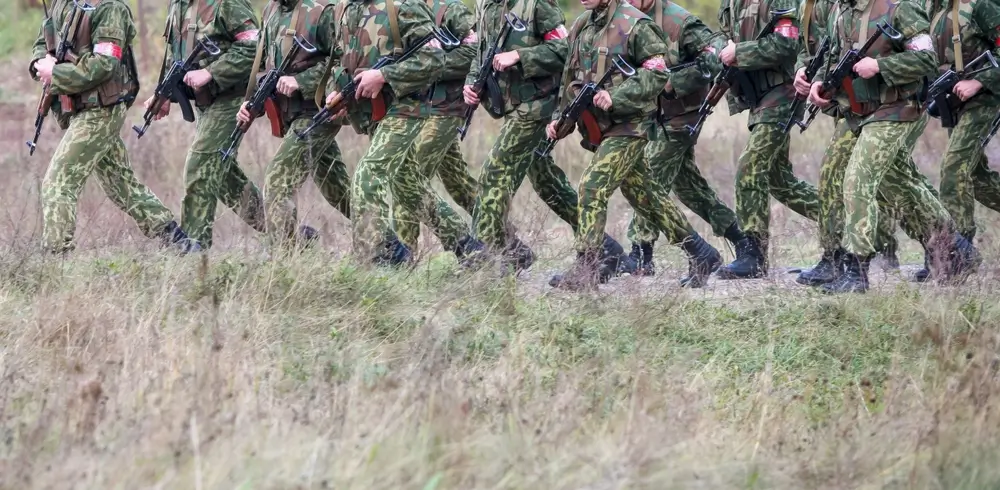
New Army recruits start at Waiouru Military Camp in the central North Island. The course you do depends on whether you are joining as a soldier, a general list officer or a specialist officer.
For soldiers, the first 16 weeks are spent on the Regular Force Recruit (RRF) course, commonly known as basic training. Defence Careers describes it as giving you the basic skills needed to become a successful soldier, covering the fundamentals of weapons training through to first aid, navigation and lessons on military law. Fieldcraft and soldiering skills sit alongside physical fitness, drill and teamwork throughout.
Officer pathways run separately at Waiouru. Defence Careers lists a 12-week Initial Induction Training (IIT) course, and a 38-week New Zealand Commissioning Course (NZCC) for general list officer cadets.
Downtime during the RRF course
Defence Careers is direct about the intensity: the RRF course is a demanding period, physically in particular. It also describes scheduled downtime. Most Sundays are kept free to give personal time and the ability to attend church if desired, recreational facilities are available, and the course includes two visitors’ days plus a mid-course break.
That is the extent of the published detail. The official pages do not publish a day-by-day timetable for the Army course, and they do not specify sleep hours, phone access or family contact rules during the 16 weeks. Your joining instructions and your recruiter are the right source for those specifics, because they can differ by intake.
Kit, uniform and self-discipline
Uniform care is part of the training, not an afterthought. The NZDF describes recruits learning self-discipline in a controlled environment under limited controlled stress, including how to care for and clean their uniform, alongside following orders and adapting to military discipline.
There is no single cross-Service packing list published publicly, so treat your course-specific joining information as the authority on what to bring.
Drill, teamwork and the recurring content of a training week
Rather than a fixed schedule, the official descriptions point to content that recurs week after week. Drill and parade ground training are used to build teamwork, fast and correct responses to instructions, and muscle memory that holds up in emergencies. Weapon handling, first aid and physical fitness are constants. So is the habit of moving with urgency as part of a team, under direction.
Working as a section or a flight is the underlying method. Recruits are taught to support each other under stress rather than compete individually, which is why so much of the assessment during basic training is about behaviour under instruction rather than raw ability.
RNZAF Recruit Training at Woodbourne
New aviators start at RNZAF Base Woodbourne, near Blenheim at the top of the South Island. Recruits complete 12 weeks of Recruit Training, a course the RNZAF (Royal New Zealand Air Force) runs twice a year.
The course covers the values and ethos of the Air Force plus the basic ropes of service life. Subjects listed by Defence Careers include:
- Organisation and Administration
- RNZAF Customs and Protocol
- Drill and Parades
- Military Field Skills and Weapon Training
- First Aid, and Search and Rescue Techniques
- Physical Fitness
Recruits are divided into two flights for the duration. The NZDF explains that this structure is used to develop teamwork and mutual support in a controlled environment while recruits get used to following orders and military discipline. Officer candidates follow a different route: Defence Careers lists a 19-week RNZAF Officer Commissioning Course (ROC), also at Woodbourne.
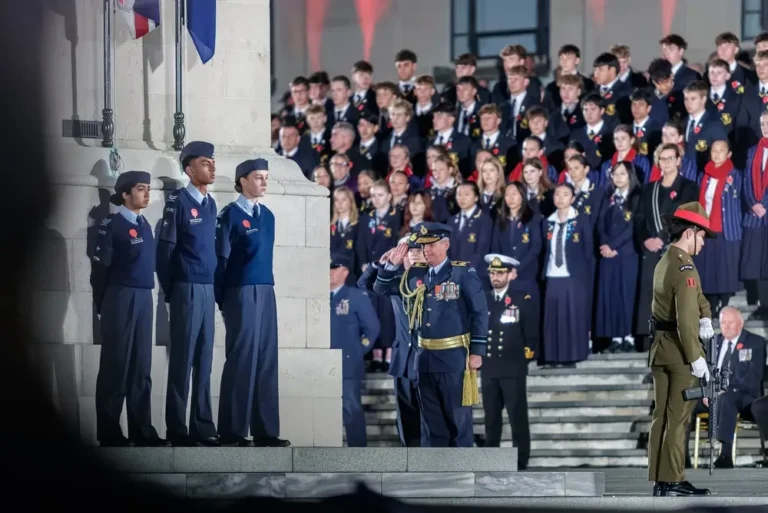
The course ends with a graduation ceremony and parade that family and friends can attend. From there, aviators continue with on-the-job training in the fundamentals of their specific trade.
NZDF Recruitment · Aptitude & Selection 2026Next step in the process: the aptitude test.See the format, the sections and the timing, then practise until the clock stops mattering.
RNZN Basic Common Training at HMNZS Philomel

New Navy recruits are based at HMNZS Philomel in Devonport, Auckland, where they get to know the base and its facilities, spend time with other recruits and get used to Navy life.
Basic Common Training (BCT) is the first course any new sailor undertakes. The official Defence Careers overview describes it as a 16-week course aimed at taking you from civilian to competent and self-disciplined naval sailor, confirming your suitability for the RNZN (Royal New Zealand Navy) and preparing you for specialist training and life on board ships.
The published outline identifies an introductory phase covering teamwork, discipline and uniform care, followed by core military skills training and parade training. Officers follow a 21-week Junior Officer Common Training course. After BCT, sailors move into Basic Branch Training for the fundamentals of their chosen Navy trade.
Fitness checkpoints before and during initial training
Physical fitness is part of the training content in all three Services, but the tests that gate your entry happen earlier in the joining process. Defence Careers sets out fitness standards on its medical and health page, built around the Multi-Stage Fitness Test (MSFT), commonly called the beep test, and press-ups.
On Assessment Day, Army and Air Force candidates are graded on the MSFT and press-ups as follows.
| GRADE | MSFT (BEEP TEST) Male | MSFT (BEEP TEST) Female | PRESS-UPS Male | PRESS-UPS Female |
|---|---|---|---|---|
| STRONG | 10.05 or greater | 8.06 or greater | 30 or greater | 15 or greater |
| 9.11 | 8.01 | 25 | 11 | |
| SATISFACTORY | 9.06 | 7.06 | 20 | 8 |
| 8.11 | 7.01 | 15 | 5 | |
| 8.06 | 6.05 | 10 | 3 | |
| MINIMUM | 7.10 | 5.09 | 5 | 1 |
| FAIL | Less than 7.10 | Less than 5.09 | Less than 5 | Less than 1 |
Navy candidates are graded on the same structure, with different minimums at the bottom of the scale.
| GRADE | MSFT (BEEP TEST) Male | MSFT (BEEP TEST) Female | PRESS-UPS Male | PRESS-UPS Female |
|---|---|---|---|---|
| STRONG | 10.05 or greater | 8.06 or greater | 30 or greater | 15 or greater |
| 9.11 | 8.01 | 25 | 11 | |
| SATISFACTORY | 9.06 | 7.06 | 20 | 8 |
| 8.11 | 7.01 | 15 | 5 | |
| 8.06 | 6.05 | 10 | 3 | |
| MINIMUM | 6.10** | 5.01** | 5 | 1 |
| FAIL | Less than 6.10** | Less than 5.01** | Less than 5 | Less than 1 |
A small number of specialist trades sit well above the general standards. Defence Careers lists the following for two RNZAF-related pathways.
| Trade | MSFT (BEEP TEST) | PRESS-UPS |
|---|---|---|
| RNZAF Physical Training Instructor | 9.05 | 30 |
| NZSAS | 12.01 | 30 |
For Army candidates, Induction Day brings the Entry Fitness Level test, made up of press-ups and a 2.4km run.
| Gender | Press-ups | 2.4km Run (mm:ss) |
|---|---|---|
| MALE | 15 | 12 minutes or less |
| FEMALE | 8 | 14 minutes or less |
Once you are serving, the Army applies the Required Fitness Level, again built around the 2.4km run and press-ups, with standards graded by age. Those thresholds are worth checking on the Defence Careers medical and health page before you start, since they set the baseline you will be expected to hold after training rather than the bar for entry.
Graduation, corps training and trade training
Recruit training ends with a formal graduation ceremony, which family and friends can attend. It is the point where the initial course is signed off, not the end of your training.
Army soldiers move from the RRF course into corps training or another trade-specific pathway for their chosen specialisation. For those heading into infantry, the NZDF describes Combat Corps Training as a 14-week course that prepares soldiers to operate as an effective member of a rifle section. On completion they march out as members of the Royal New Zealand Infantry Regiment (RNZIR) and gain the coveted Red Diamond.
The Red Diamond, worn on the left shoulder of the RNZIR dress uniform, has a long lineage. The NZDF traces it to 22nd Battalion, 2nd NZ Expeditionary Force, which adopted the patch of 9th NZ Infantry Brigade deployed as part of the British Commonwealth Occupation of Japan, known as J Force. In 1947, the Brigade in Japan was reorganised and 22nd Battalion was re-designated 2nd Battalion of the New Zealand Regiment. It was disbanded in 1948 and reformed in July 1959, when the Commanding Officer claimed descent for the new Battalion from the re-designated and disbanded 22nd Battalion.
Air Force aviators continue with specialised education and on-the-job training in their trade. Navy sailors move into Basic Branch Training. Beyond that, initial training is followed by specialist courses, further on-the-job training and, in some cases, sponsored tertiary study or recognised NZQA qualifications.
What you need before the course starts
Entry requirements are set by role, so the summary below is a starting point rather than a checklist for every trade.
For Army soldier applicants, the published requirements are to be at least 17 to apply and 18 by the completion of basic training, have no criminal convictions, have completed at least three years of secondary school education, be medically and physically fit, and be a New Zealand citizen or hold a New Zealand residence class visa. Applicants who meet those conditions then pass aptitude and fitness tests and attend a formal interview for their selected trade.
Navy sailor applicants generally need a minimum of NCEA Level 1 with 10 literacy and numeracy credits, plus the same medical, fitness, citizenship or residence, aptitude and interview requirements. Air Force aviator applicants generally need three years of secondary education and 10 NCEA Level 1 literacy and numeracy credits, alongside the applicable medical, fitness, aptitude and interview steps.
Some trades set different age and NCEA subject requirements. Some also require a driver’s licence, a colour vision test, a tertiary qualification, or attendance at and a pass from a residential selection board. A current, clean New Zealand driver’s licence is recommended for Army soldier applicants even where it is not mandatory. If you are considering the Army Reserve Force, sometimes referred to as the Territorial Force, check the requirements for that pathway separately with a recruiter, since course structure and commitment differ from the Regular Force.
Pay, leave and service commitment
You are paid while you train. Defence Careers states that NZDF personnel earn a competitive salary during training, with pay rises in line with rank and qualifications. The exact rate paid during the 16-week RRF course is not published publicly.
For a sense of scale, published career profiles list typical annual earnings for Army soldiers, Navy sailors and Air Force aviators.
| Pay |
|---|
| $68K-$98K per year |
Actual pay depends on role and rank, and the figure above reflects the broad range across a career rather than a recruit rate.
On leave and commitment, Defence Careers is clear that you are not signing up for life. Like any other job, you can resign at any time, and the NZDF typically asks for three months’ notice. The exception is personnel who must complete a Return of Service Obligation (ROSO) for specialist training they have received. Personnel are entitled to 25 annual leave days, with support including medical facilities, gyms and physical training instructors, unlimited sick leave, counselling and chaplaincy services.
Working hours are generally similar to civilian equivalents, although Defence Careers notes that normal hours are not always possible during emergency responses or overseas missions.
Your next step
If you have been accepted, the most useful thing you can do now is read your course-specific joining instructions closely and ask your recruiter about anything they do not cover, particularly kit, contact with family and the daily routine of your intake. Then work on the fitness standards that apply to your Service and trade, because the published minimums are entry thresholds, not the level you will be expected to hold once you are in uniform.
Frequently Asked Questions
How long is basic training for the NZ Army?
The Army Regular Force Recruit course runs for 16 weeks at Waiouru Military Camp. Once you complete it, you move into corps or trade-specific training for your chosen specialisation.
Where is NZ Army basic training?
At Waiouru Military Camp in the central North Island. Waiouru is the starting point for Army recruits before they continue to corps or trade training elsewhere.
How long is NZ Air Force basic training?
RNZAF Recruit Training lasts 12 weeks and is run at RNZAF Base Woodbourne near Blenheim. Recruits then move into on-the-job training covering the fundamentals of their specific trade.
How long is basic training for the New Zealand Navy?
The official Defence Careers overview states that sailors complete a 16-week Basic Common Training course at HMNZS Philomel in Devonport. BCT is followed by Basic Branch Training for the sailor’s trade.
What happens during NZDF basic training?
Recruits are introduced to military culture, teamwork and following detailed instructions, and they train in physical fitness, weapon handling, first aid and drill. The exact structure and length depend on whether you join the Army, RNZAF or RNZN, and whether you join as an officer or in another rank.
What is the schedule for Army basic training?
There is no published day-by-day timetable. The official description points to a recurring mix of soldiering skills, teamwork, fitness, drill, weapons training, first aid, navigation and military law, with most Sundays generally kept free during the RRF course.
Do you get paid for basic training in the New Zealand Army?
Yes. Defence Careers states that NZDF personnel earn a competitive salary while training, with pay increases linked to rank and qualifications. Published career profiles list typical annual earnings of $68,000 to $98,000, though actual pay depends on role and rank.
Can you quit during Army basic training?
Defence Careers says personnel can typically resign with three months’ notice, except where a Return of Service Obligation applies after specialist training. No separate mid-course procedure is published, so an accepted applicant should confirm the conditions with their recruiter or in their enlistment documents.
Do you come home after basic training?
Courses are run at their respective training locations, and the Army overview describes most Sundays, visitors’ days and a mid-course break as personal time during the RRF course. Completion normally leads straight into corps, branch or trade training, so an automatic break at home is not guaranteed.
What qualifications do I need to join the NZ Army, and do you need NCEA?
The Army soldier pathway generally requires at least three years of secondary education and NCEA Level 1 credits in specified subjects, plus the applicable medical, aptitude, fitness and interview requirements. Requirements vary by trade, and some roles add NCEA subjects or a residential selection board.
Sources
NZDF Recruitment · Aptitude & Selection 2026Next step in the process: the aptitude test.See the format, the sections and the timing, then practise until the clock stops mattering.
NZ Army Recruitment: Eligibility, Steps and Timeline

NZDF Interview: How to Prepare Values-Based Answers